“What’s left to say?”
Though rhetorical in its context, the opening lyric belted out by bassist and vocalist Troy Sanders on the second single from Marrow Deep, “Snakes for Dinner,” bares much significance for the three original members of Mastodon at this stage in their respective careers. Throughout their twenty-six years together as a group, they have faced significant losses in their personal and professional lives, each time emerging victorious in the musical realm by transforming those experiences and emotions into some of the best music produced over the last quarter decade. In the face of perhaps the most devastating circumstances of their existence, Mastodon have emphatically stated that they absolutely have more to say musically, evidenced by the brilliance found on Marrow Deep, the group’s ninth full-length LP due out Friday.
Of course, that desire for productivity and cohesiveness was part of the decision-making in parting ways with founding lead guitarist Brent Hinds, a self-admitted free spirit who’s brilliant and unique approach to guitar and vocals were an integral part of the group’s meteoric rise in the metal world. After attempting to address some concerns about his recent participation in band activities and erratic behavior, it was announced that they had mutually agreed to part ways. Bill Kelliher, Brann Dailor, and Sanders thought it would be a brief period of animosity followed by a reunion after some reflection. Sadly, that was not the case – Hinds passed away five months later in August 2025 after a motorcycle accident in Atlanta.
Compounded by the loss of Brann’s mother about a month before that fateful intervention attempt with Brent, the six-month stretch between February and August of last year once again pushed a band that’s no stranger to tragedy further into grief. And, as they have countless times before, the boys in Mastodon used that grief as a source of inspiration and catharsis, entering the studio only a week after Hinds’ death to record what would become Marrow Deep. The studio time was planned prior to their knowledge of his passing, and rather than reschedule, Mastodon decided to try to harness the raw emotions they were experiencing and channel them into what they do best: making timeless, authentic music.
Those raw feelings are present throughout the record: There’s anger, sadness, despair, reflection, acceptance, and a range of other thoughts embedded within the lyrics Brann and Troy deliver throughout Marrow Deep. That span of emotions is present for the listener upon hearing the album for the first time as well. Lead single “Your Ghost Again” reflects on the experience of being in so many familiar places and feeling the presence of a lost loved one. As a long-time supporter of Mastodon (I bought Remission when it came out because I thought it looked cool), the realization that Brent Hinds’ voice or guitar won’t be heard on the record hit me like a ton of bricks. For most it would stand to logic that would be the case, but until my initial listen, I was forced to confront that reality. You keep waiting for it to appear, only to be sadly reminded that it will never come.
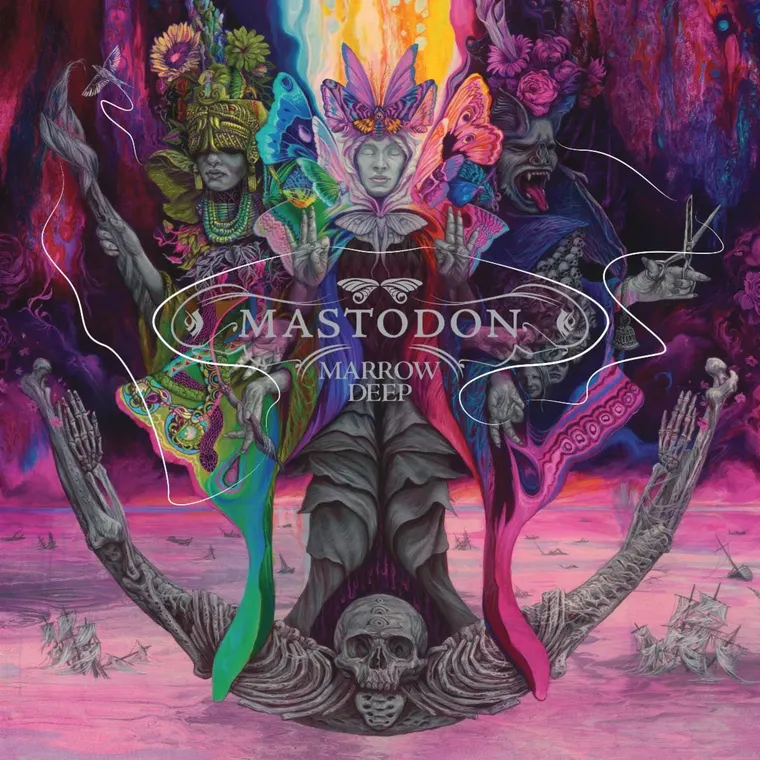
To fill some of that void, Marrow Deep employs well-used guest vocal appearances from a host of contributors, some familiar and some new, that add depth to the power of the music. Josh Homme, who first was featured on 2006’s Blood Mountain during “Colony of Birchmen,” warbles “Where am I in the lens of your eyes?” to close out “Snakes for Dinner.” Randy Blythe and Nate Newton combine for the powerhouse verses on “A Vampire’s Demeanor,” Ben Koller accentuates album opener “Barbarian’s Blood,” and Joe Duplantier adds his touch to “The Vanishing.” Neil Fallon from Clutch delivers perhaps the most chilling guest performance with his spoken word on “The Three Fates,” which touches on the loose theme of the album, drawing inspiration from these three figures from Greek mythology that determine each person’s lifespan who adorn the cover art, alongside the departed Hinds and Brann’s mother.
Despite the overwhelming heartache that permeates through the album’s lyrical content, Mastodon sound like a rejuvenated group musically. The additions of lead guitarist Nick Johnston and keyboardist João Nogueira as a full-time member seems to have reinvigorated the group in terms of composition and playing, finally firing on all cylinders as they’ve desired after periods of stagnation and frustration in the past. Sanders and Dailor turn in maybe their best vocal performances of their respective careers, and unsung hero Bill Kelliher delivers another collection of crushing, jagged, and ripping riffs he’s become known for creating over the last 25 years. This revitalization has led to a wealth of progressive sonic exploration on Marrow Deep, which to me, is the most ambitious Mastodon record in terms of their sound since 2009’s masterpiece Crack the Skye.
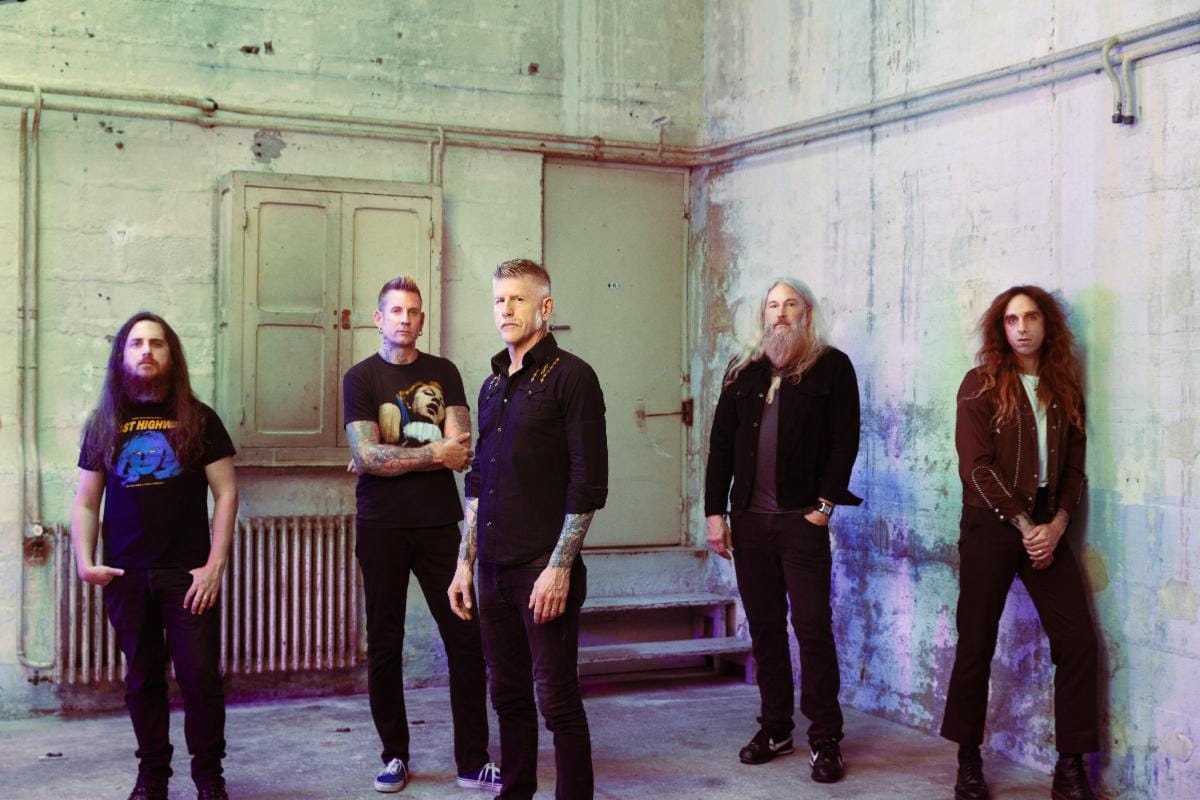
The interplay of guitar and keyboard is another facet that pushes this album into a progressive stratosphere that breaks new ground for the band as well. Though featured on Hushed and Grim, the increased use of Nogueira on keyboard is one of the biggest standout features of Marrow Deep. Besides the brilliant soloing, in some places, the haunting melodies conjure an eerie and uneasiness to the music, while at other times during some extended jams they make you question whether you’re listening to Mastodon, Pink Floyd, or Camel.
That’s not to say there isn’t a ton of the traditional Mastodon the world has come to know and love. Troy’s fiery vocals on “Poisonous Weapons,” the bone-crushing riff that opens album-closer “The Three Fates,” or the disjointed groove of “They’re Coming for You,” there are hallmarks from all eras of their illustrious history present. But the real magic of Marrow Deep is in its quieter, more beautiful moments: Nogueira’s soft keyboard intro to “Moth and Bone” giving way to lush acoustic guitar and a beautiful vocal line from Sanders; the spaced-out introduction to “The Vanishing” by Geezer Butler setting up a distorted, cosmic Dailor vocal line appropriately channeling “Planet Caravan” mentioning his mother joining his sister; Sanders’ “I can see colors I’ve never known” in the aforementioned “The Three Fates.” These are the moments where Mastodon reveal a depth to their music that’s perhaps territory they’ve never reached before.
It’s unusually cruel and unfair for this band to be consistently writing albums that pan out like the stages of grief, but Mastodon have once again taken tragedy and spun it into brilliance on Marrow Deep. During “The Vanishing,” Sanders asks another poignant question that is a summation of all that’s happened previously and all that will be after: “Can we bear the wound that never mends?” Dailor seems to answer him during the verses of “The Three Fates” when he laments, “there’s nothing you can do to change it.” For all the tragedy, pain, despair and grief, Mastodon’s resilience is unmatched, and Marrow Deep is the proof. In time, this record will stand not only as a testament to their status as one of the best bands of their era and a timeless memorial to those they’ve lost, but as the start of a new era in the band’s unrivaled history.
So, what’s left to say for Mastodon? Apparently, quite a bit. And I’ll be here to hear it.
Overall Rating: 9/10 Golden Spires
Standout Tracks: The entirety of it rules, but for posterity's sake these were my favorites: "Poisonous Weapons," "Your Ghost Again," "Snakes for Dinner," "In the Ruins," "Moth and Bone," "The Vanishing," and "The Three Fates."
Recommendation: Play loud and often. It may not click on the first few spins, but the pure depth and beauty of this record will reveal itself to you in time. A timeless classic that will elevate itself in Mastodon's discography with each subsequent listen.
To order Mastodon's Marrow Deep, out on Friday, August 28th through Loma Vista Recordings, visit their website below:

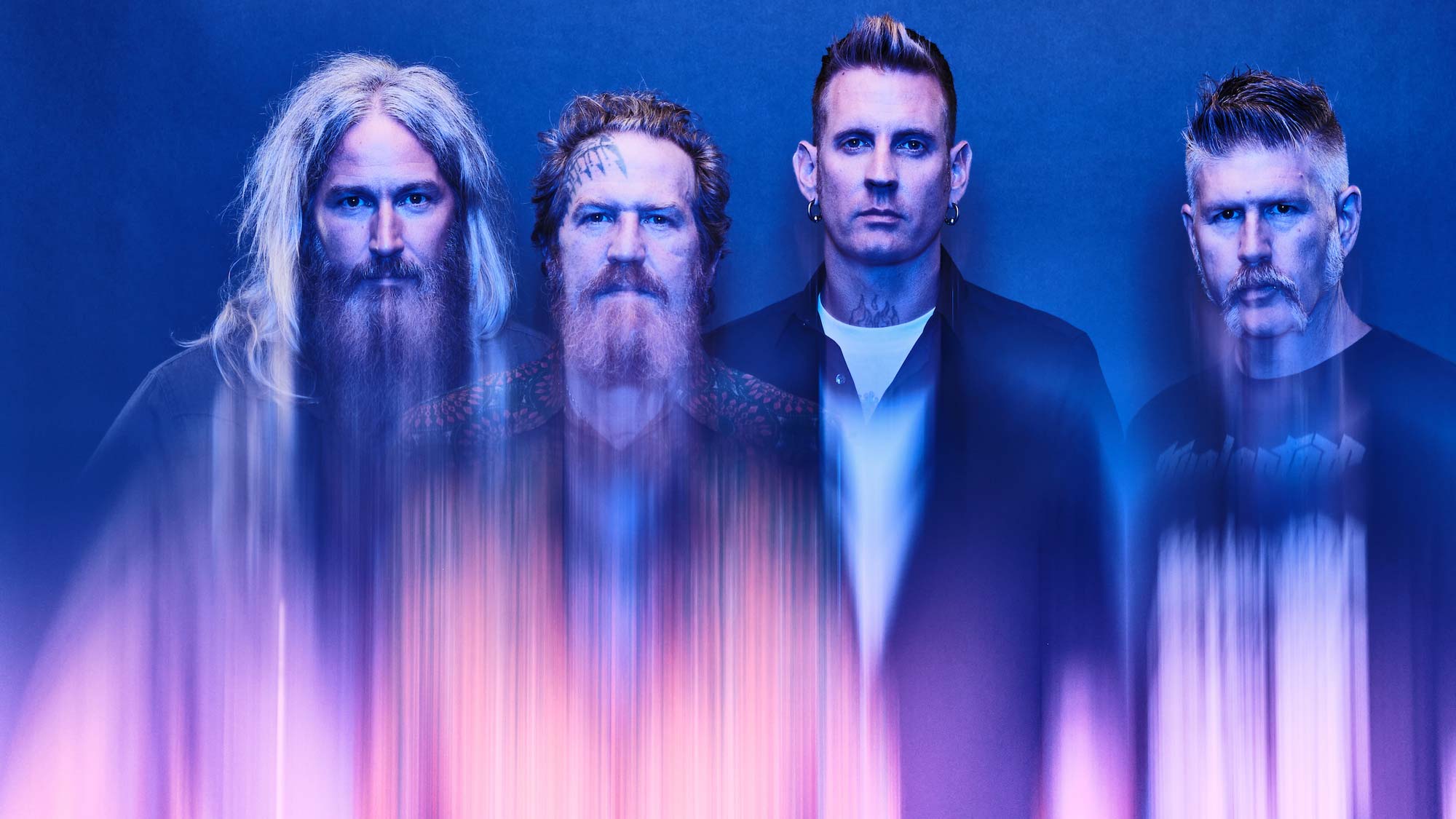
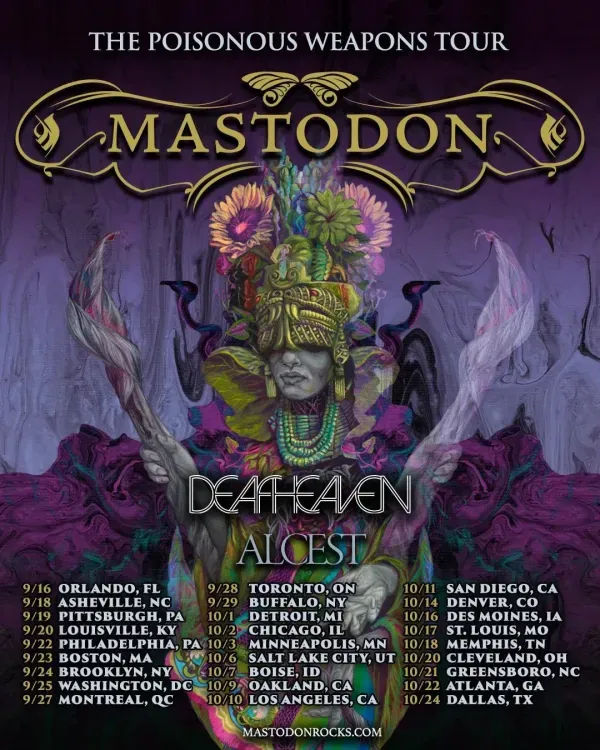
To see Mastodon on tour this fall in North America with Deafheaven and Alcest, check out ticket information at the link here: