King Diamond’s House of God: Metal’s Darkest Mass

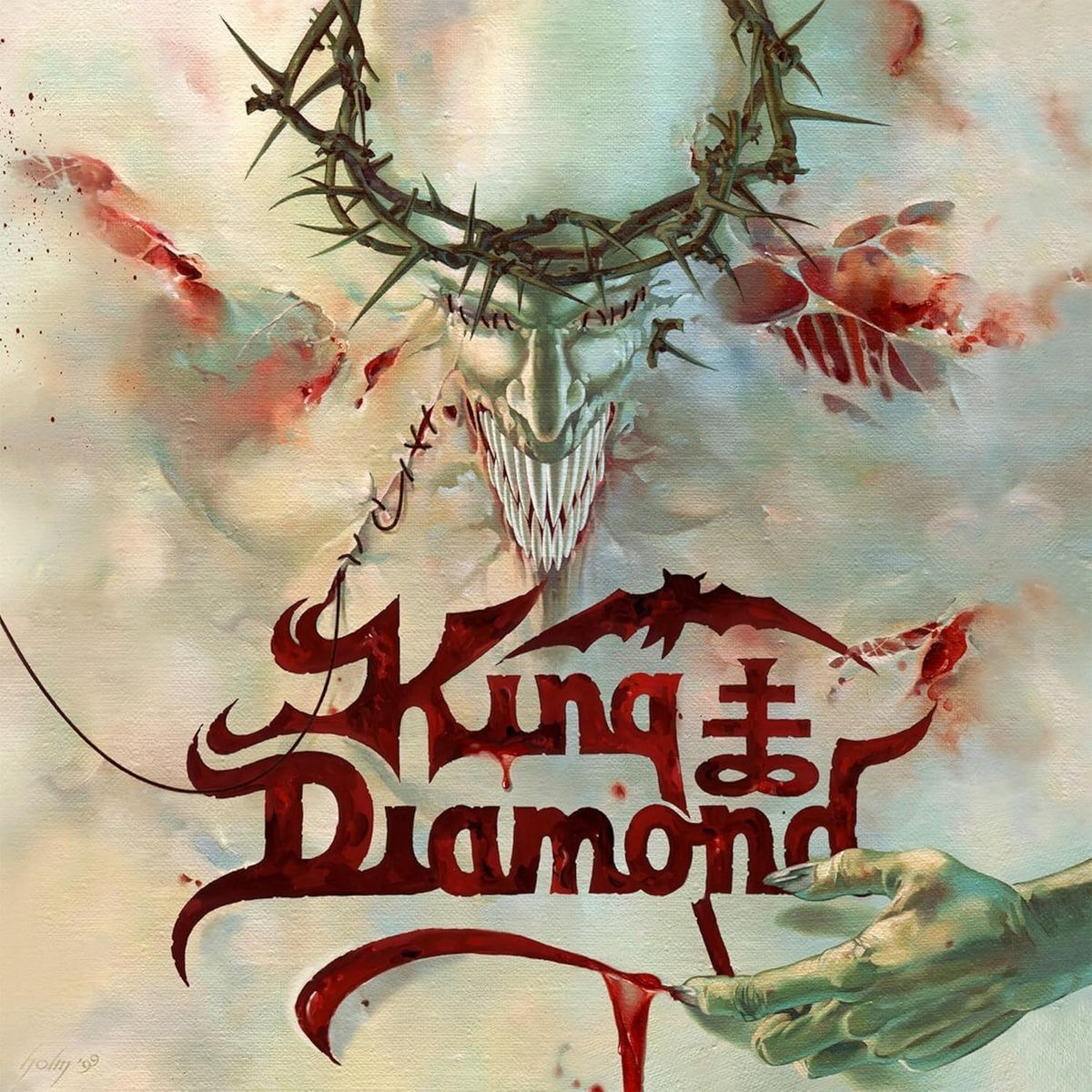
Released: June 20, 2000
Author’s Note: This piece has been revisited and revised from its original version, with a stronger focus on the album’s meaning, impact, and staying power.
King Diamond does not do small stories.
That is part of the fun. The story includes haunted houses, ghosts, family curses, voices, and doors that should never be opened. He has built a whole world out of bad decisions and worse rooms.
But House of God is different.
This one is not just about a ghost, a murder, or some cursed family mess. It goes bigger. Religion, obsession, desire, betrayal, and the kind of truth that ruins a person instead of saving them.
That is what makes the album interesting.
The question is simple: what happens when King Diamond turns faith itself into the haunted house?
You get House of God.
Released in 2000, the album comes after Voodoo, and it feels more direct. The story is still dramatic as hell, because of course it is, but the songs do not feel buried under the concept. They move. They bite. They let the plot get weird without forgetting the riffs.
“Upon the Cross” opens like a warning. It sets up the religious angle right away, but it does not feel like King trying to write a lecture. It feels like someone lighting the first candle in a room you already know you should leave.
Then “The Trees Have Eyes” brings the band in properly. Andy LaRocque gives the song that sharp King Diamond guitar language: melodic, tight, a little twisted. Glen Drover fits the record perfectly because he adds extra bite without crowding the songs. The guitars sound theatrical, but they still cut.
That balance matters.
King Diamond albums can fall apart if the story eats the songs. House of God mostly avoids that. The plot is strange, but the band keeps it moving. “Follow the Wolf” has that classic King Diamond chase feeling, like the character is already too far in and still pretending he can turn around.
The title track is where the album really locks in. “House of God” has the big chorus, the creepy mood, and King doing what only King does: switching voices like the whole cast is trapped in his throat. He can sound scared, smug, evil, wounded, and completely unwell within the same song.
That is the gift.
It is not just range. It is acting.
“Black Devil” and “The Pact” push the story into darker territory without losing the heavy metal side. The riffs are not just background music for the plot. They make the plot feel physical. When the guitars tighten up, the story feels like it is closing in too.
That is why House of God works better than people remember it. It is not as iconic as Abigail. It is not as instantly classic as the early records. But it has its own flavor. Less gothic mansion, more religious nightmare in broad daylight.
That is creepier in a different way.
“Goodbye” gives the album some of its most human damage. King does not just sound theatrical there. He sounds desperate. The story needs that, because without the human ache, the whole thing could turn into conspiracy metal camp. The sadness keeps it grounded.
Then “Help!!!” kicks the door back open.
That song is one of the album’s best moves because it is almost too obvious and still works. The title looks ridiculous on paper, but in the song it feels right. Panic should not always be poetic. Sometimes panic is just someone screaming for help and not getting it.
“Catacomb” and “This Place Is Terrible” bring the record back into pure King Diamond territory: tunnels, dread, discovery, and that feeling that every answer is worse than the question. By then, the album has done what it came to do. It has turned the search for truth into punishment.
That is the nasty little trick at the core of House of God.
Usually in stories, the truth frees somebody.
Here, the truth breaks him.
The production keeps things clean enough for the story to be followed, but not so clean that the album loses its bite. The drums hit, the guitars stay sharp, and King’s voice sits right where it should: above everything, but still inside the madness.
By the time “Peace of Mind” closes the record, the title feels almost cruel. Peace is not really what this story gives you. It gives you answers and then shows what those answers can do when a person is not ready for them.
So what happens when King Diamond turns faith itself into the haunted house?
You get House of God.
Not just another horror story with candles and shadows.
A record where belief opens the door, desire walks through it, and the truth waits at the bottom of the stairs.
Written by Rob Joncas
Founder of DeadNoteMedia — album writing built on music, memory, and meaning.