HISTORY, Toronto — August 10, 2026
There are concerts you attend, and then there are concerts that feel like the closing of a very long circle.
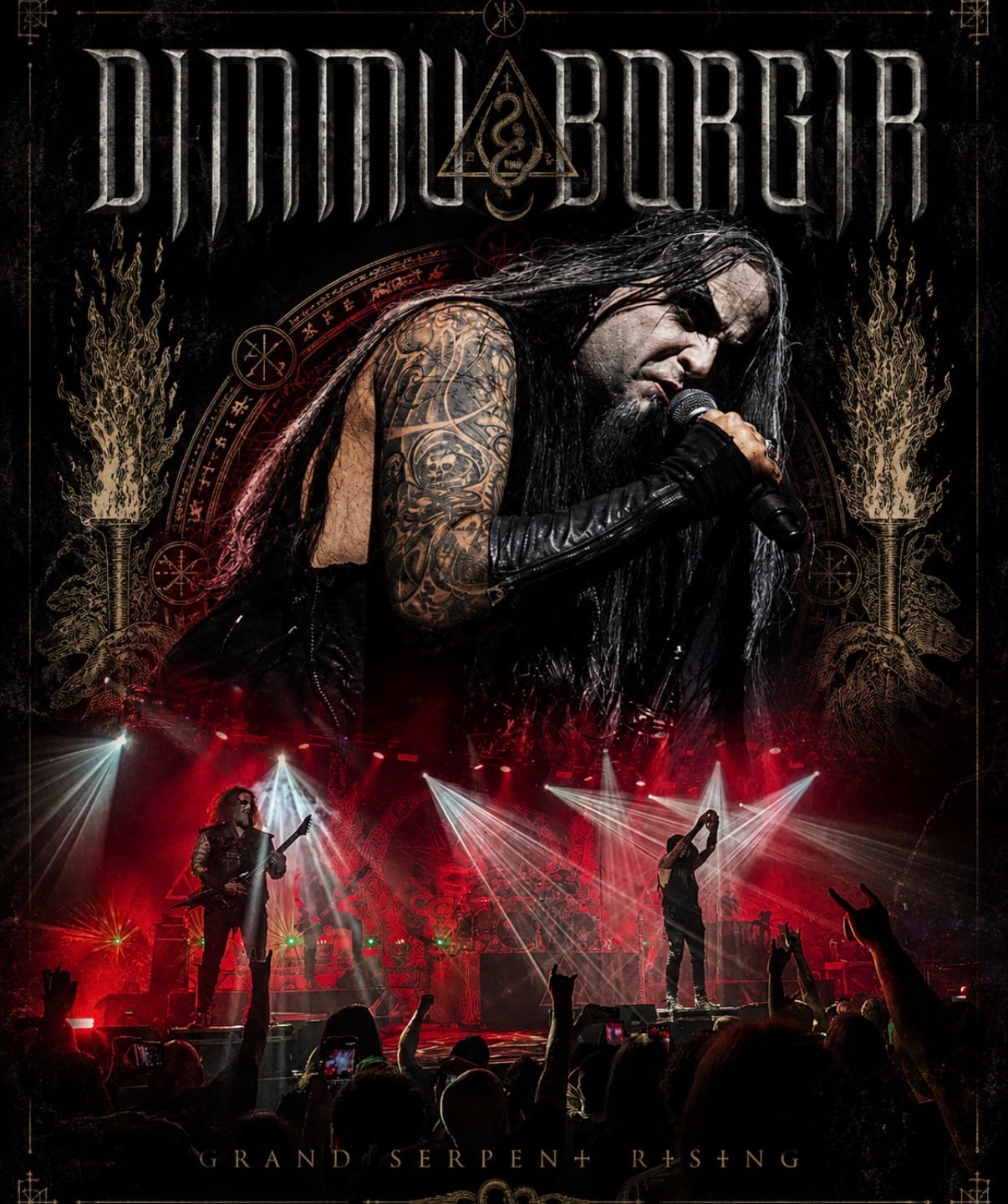
For me, Dimmu Borgir’s Grand Serpent Rising Tour stop at Toronto’s HISTORY was very much the latter. Having discovered the Norwegian symphonic black metal giants during my high school years, watching them take the stage years later was the kind of experience that collapses time. Songs that once lived through headphones, CDs and teenage playlists were suddenly being performed a few metres away and, remarkably, the band sounded every bit as immense as they had in my memories.
But this was not simply a nostalgia trip.
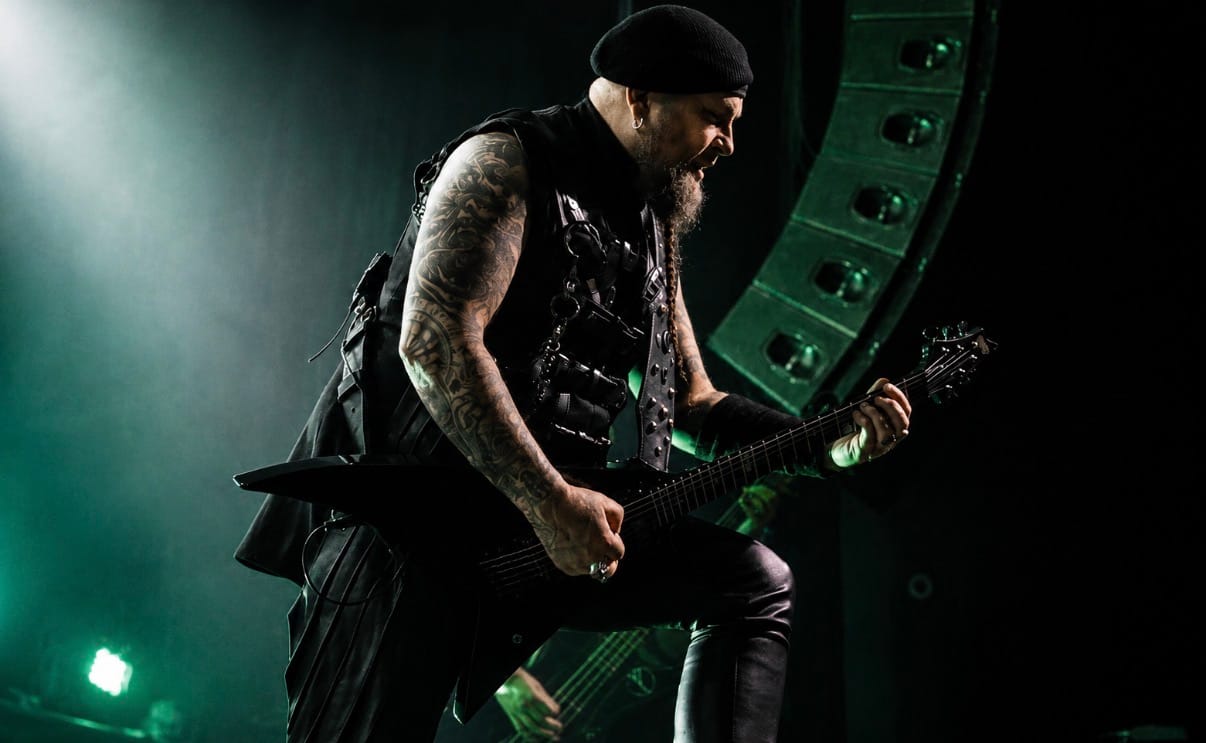
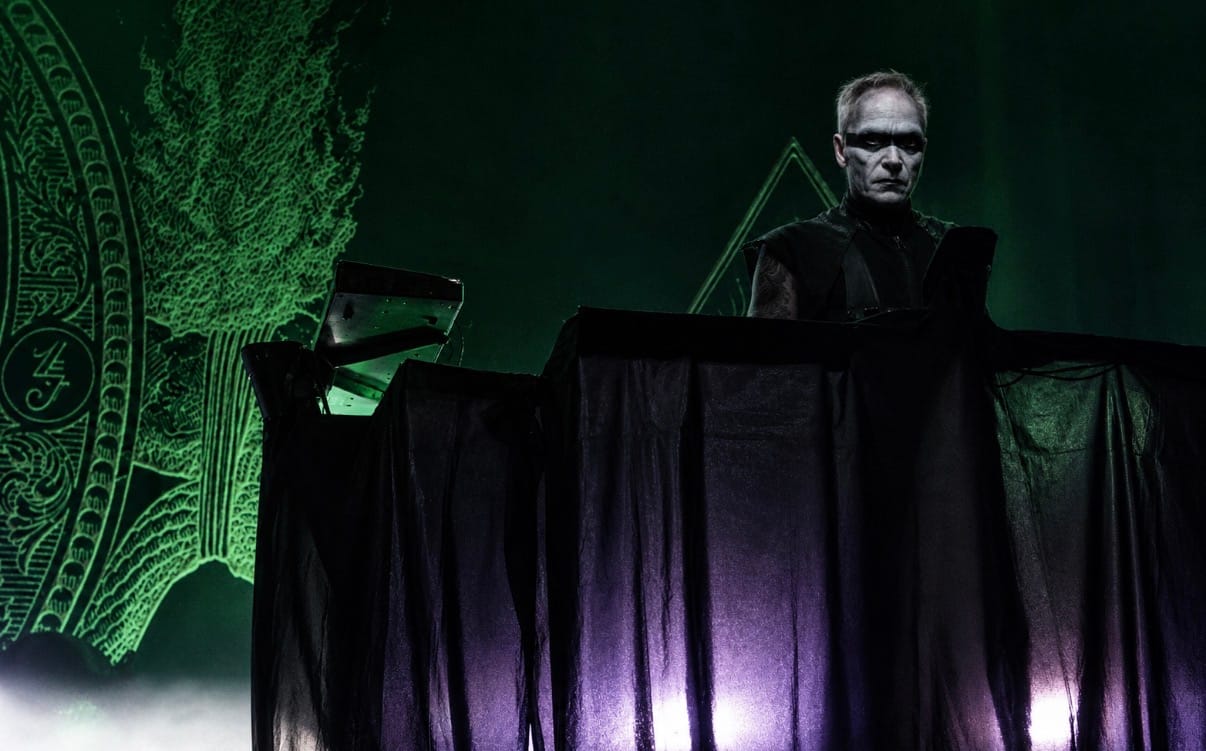
The Grand Serpent Rising Tour demonstrated that Dimmu Borgir are not content to exist solely as a monument to their past. With their first full-length album of new material in nearly a decade, the band have returned with an expansive new chapter while continuing to draw from the catalogue that established them as one of the most recognizable forces in symphonic black metal. Grand Serpent Rising, released in May through Nuclear Blast Records, brings together thirteen tracks that move between ferocious black metal, cinematic orchestration, dramatic atmosphere and the theatrical grandeur that has become synonymous with the Dimmu Borgir name.
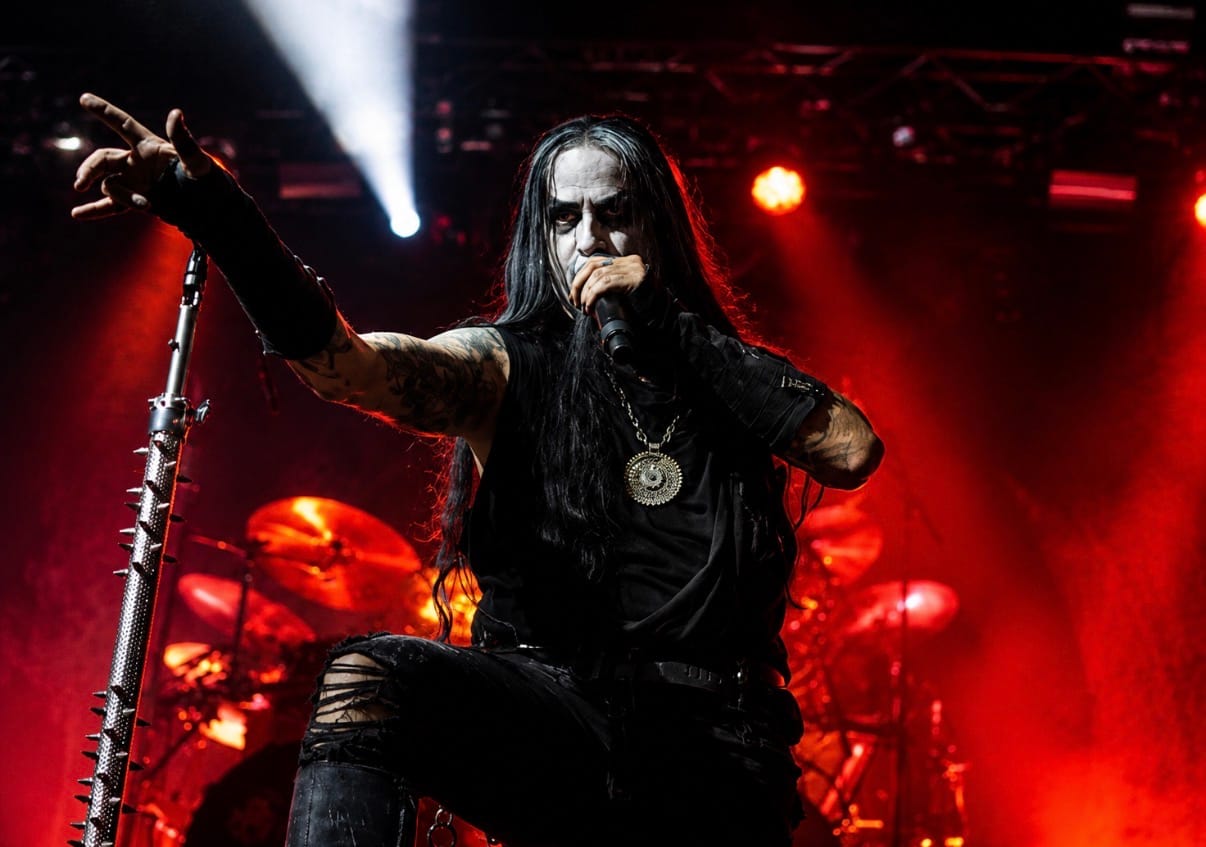
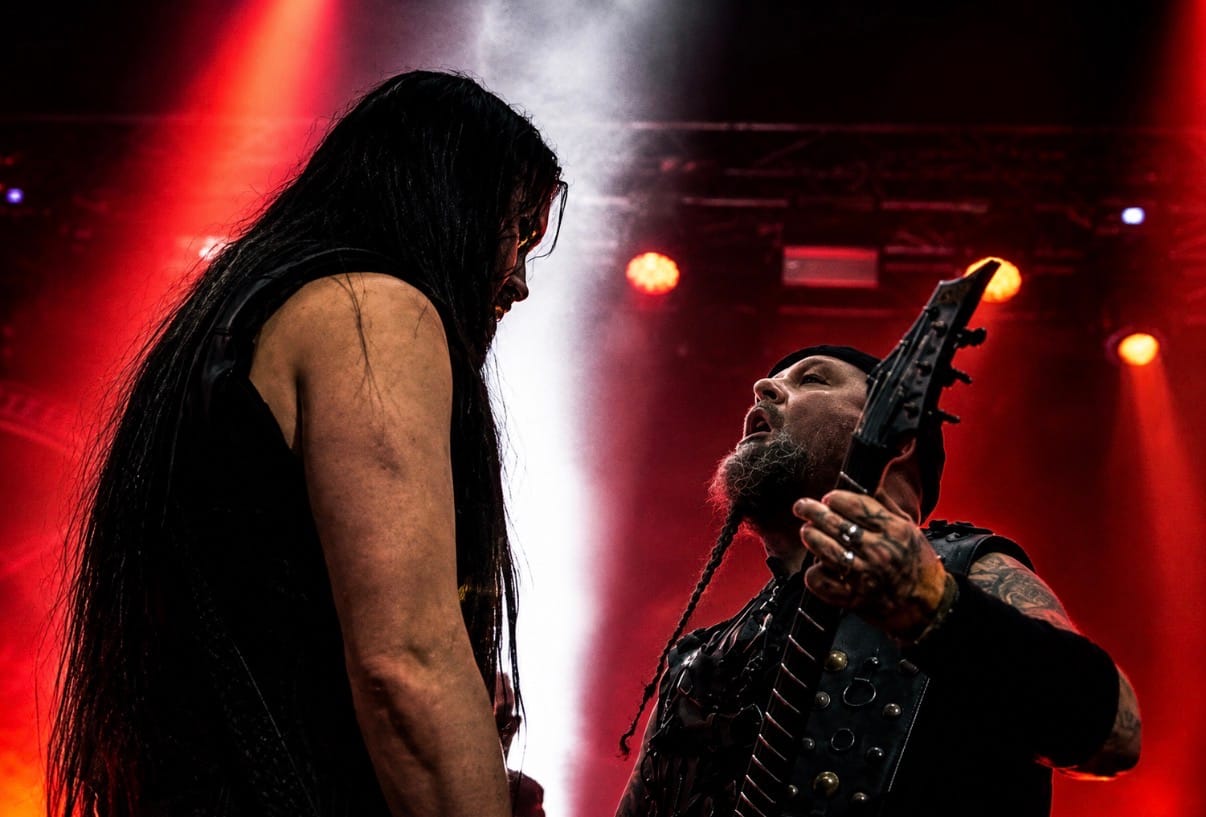
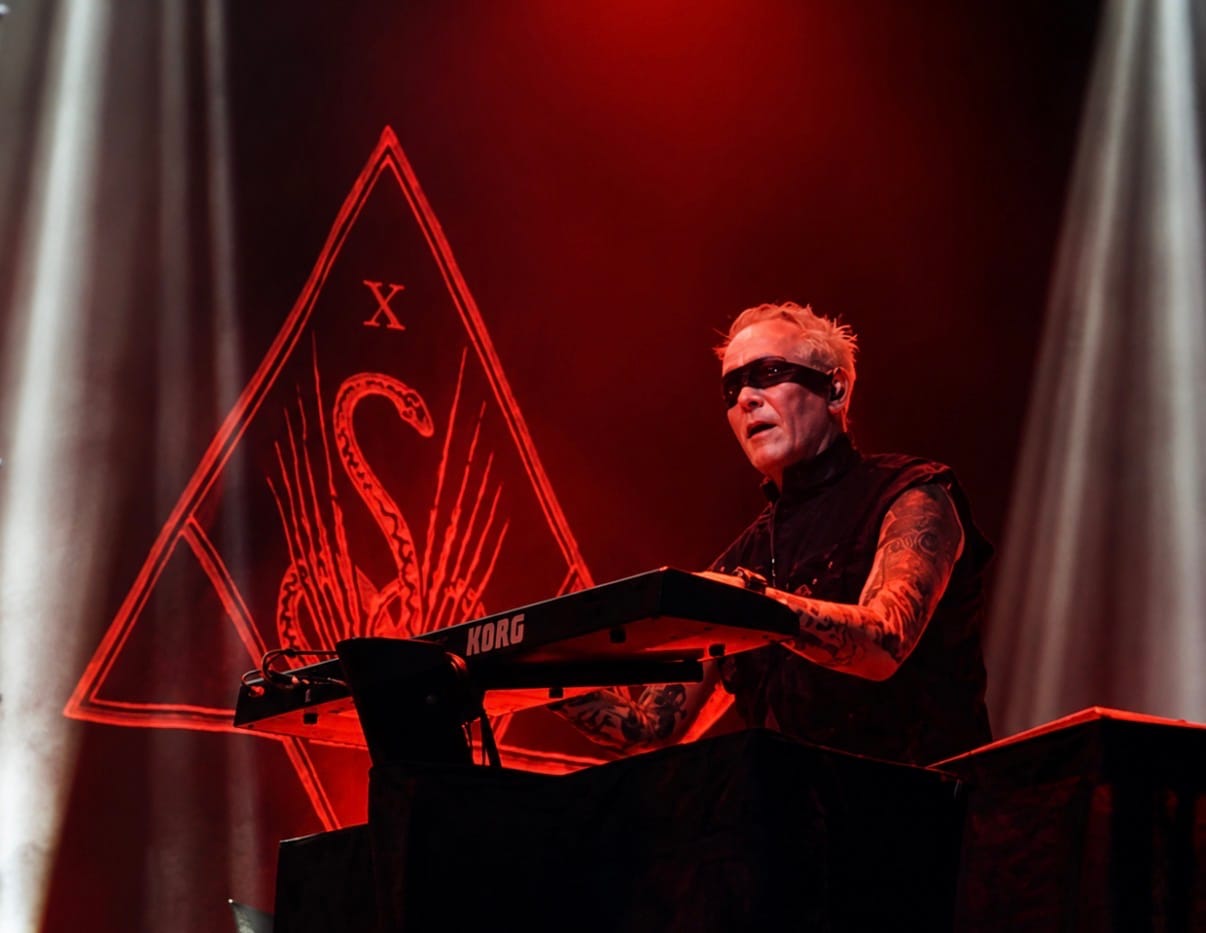
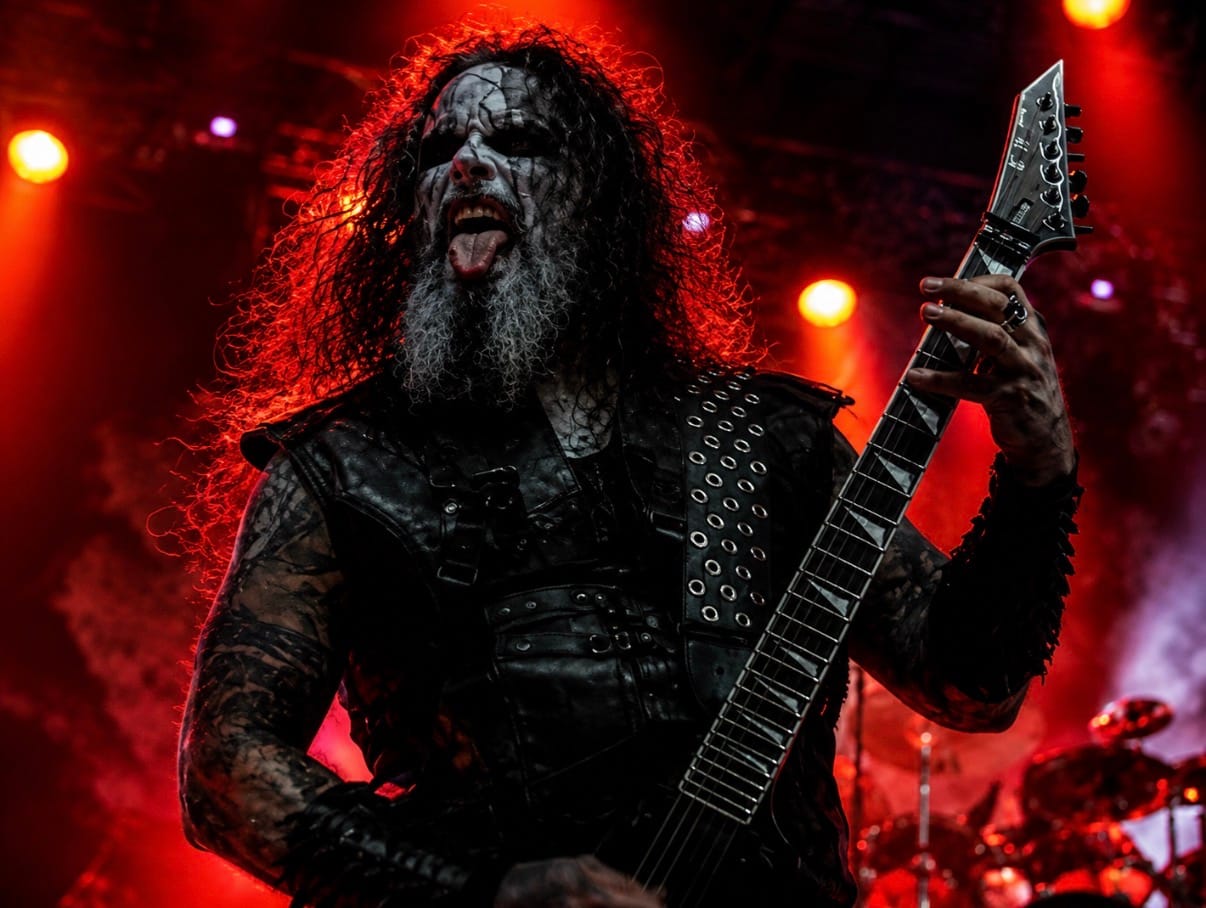
And in Toronto, that evolution translated exceptionally well to the stage.
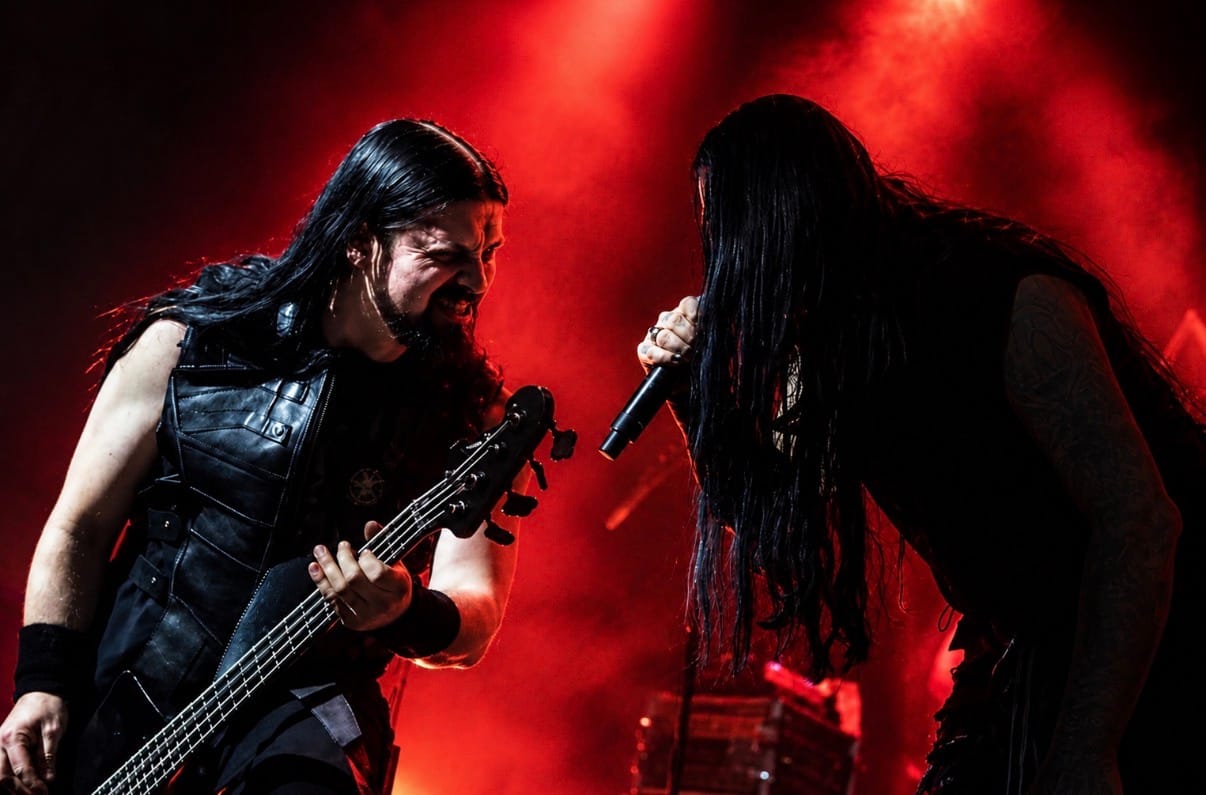
Hulder: Ancient Darkness Reborn
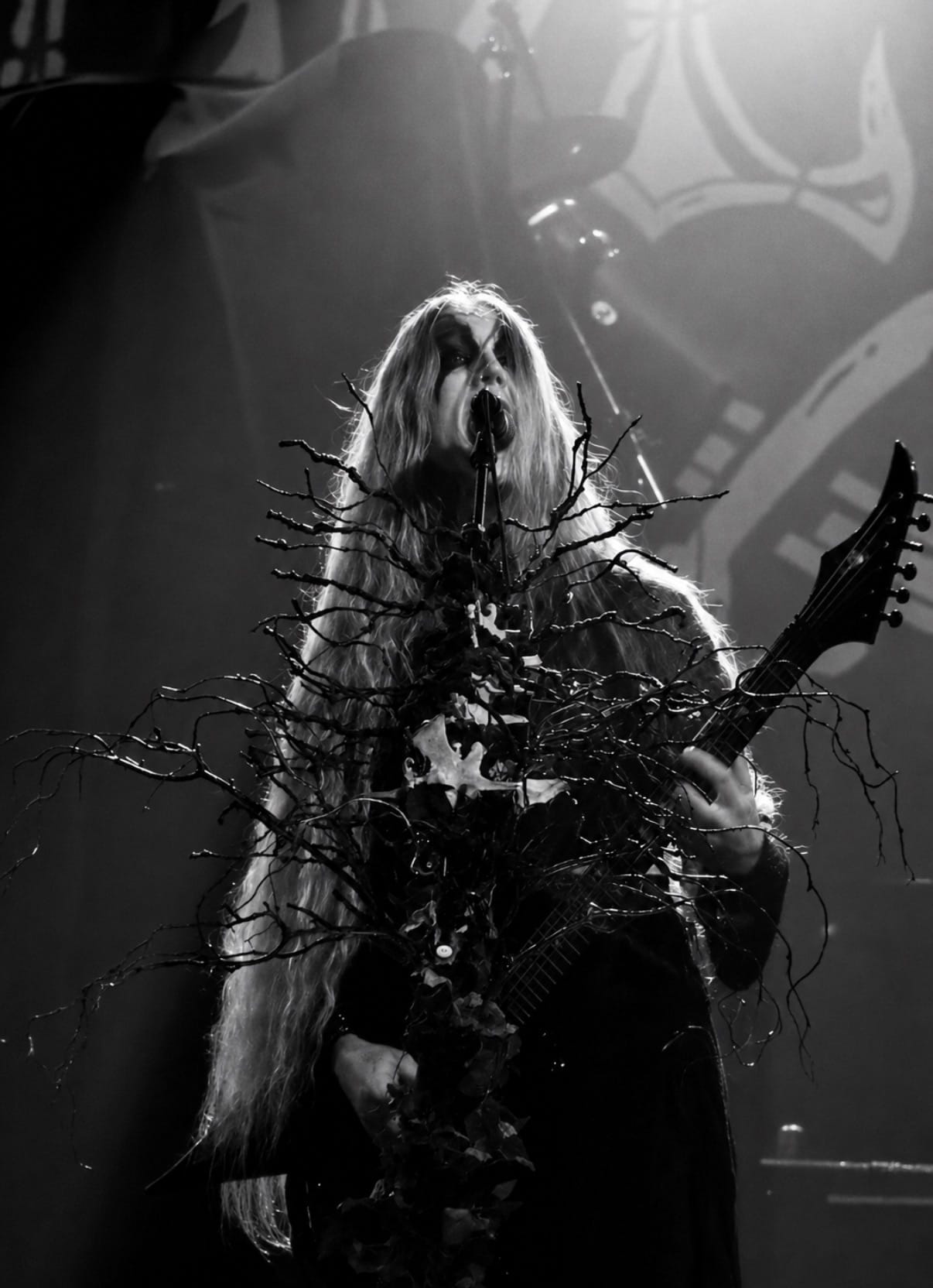
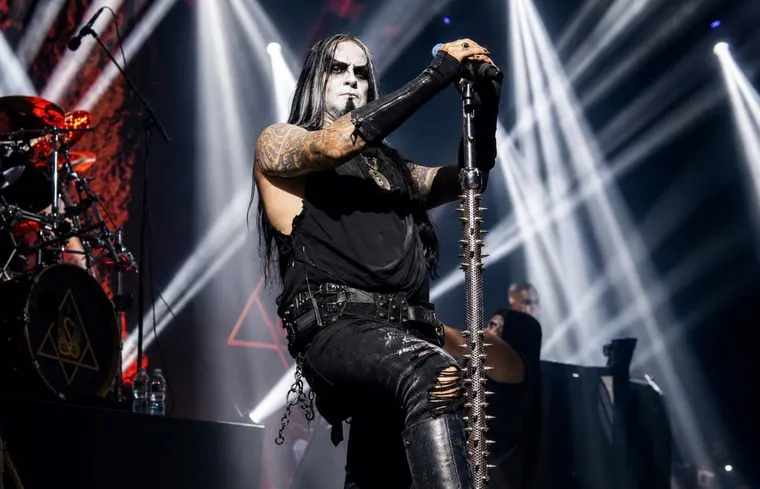
Opening the evening was Hulder, arriving in Toronto only three days after the release of their latest album, Verbolgen. The timing could hardly have been better. Released August 7 through 20 Buck Spin and Season of Mist, the record represents another evolution of Hulder’s fiercely traditional approach to black metal, drawing from the rawness of the genre’s second-wave roots while incorporating additional instrumentation and atmospheric depth.
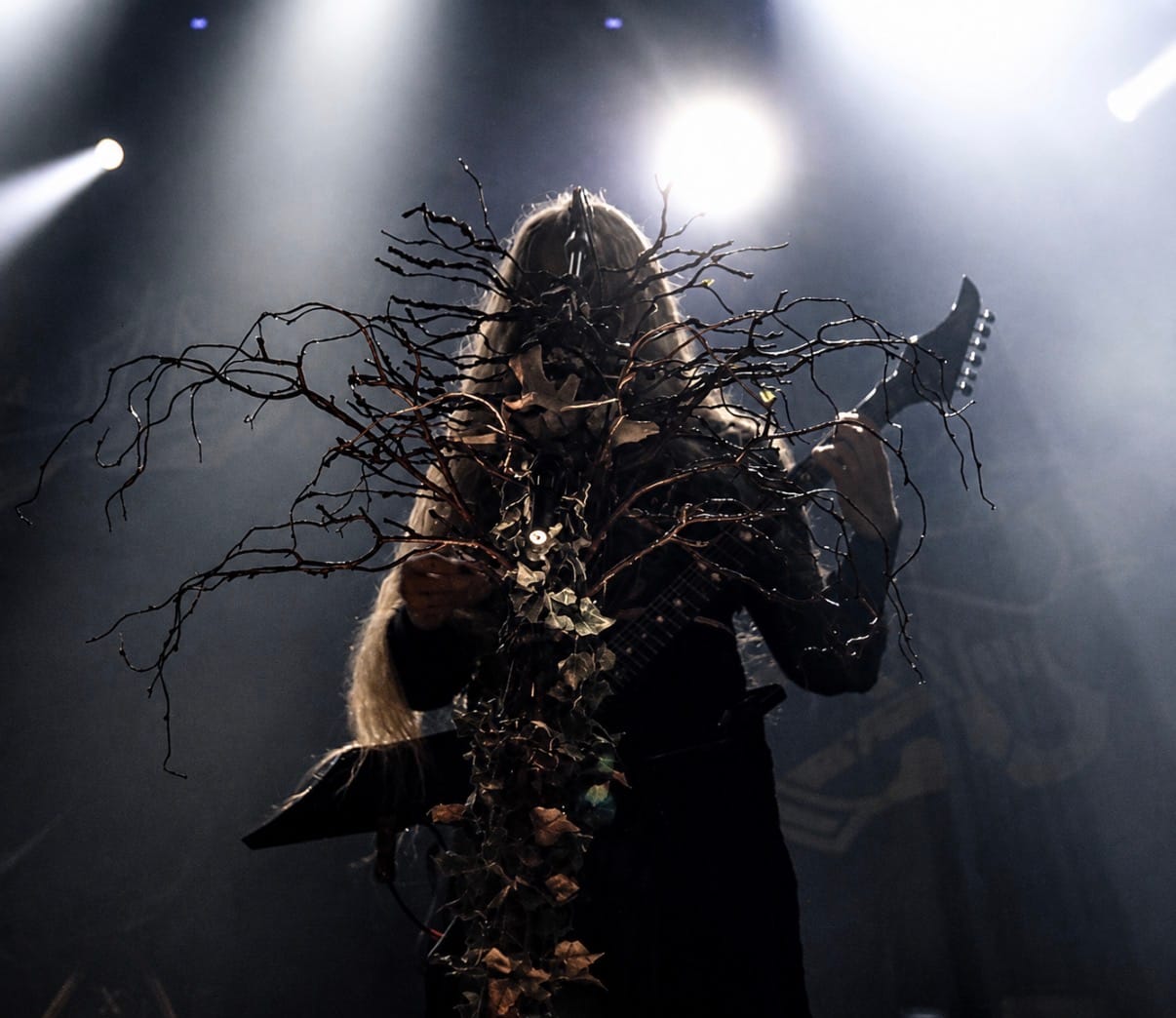
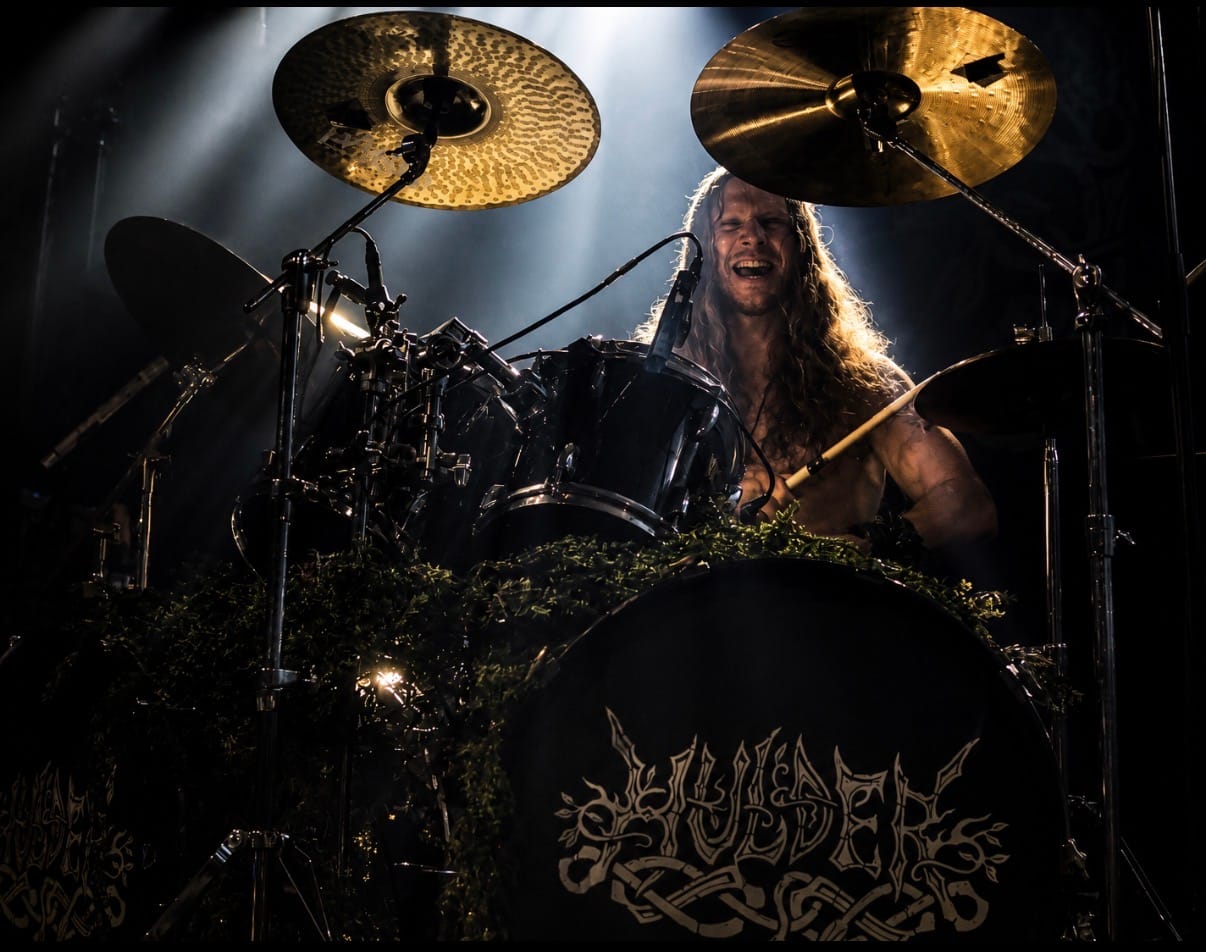
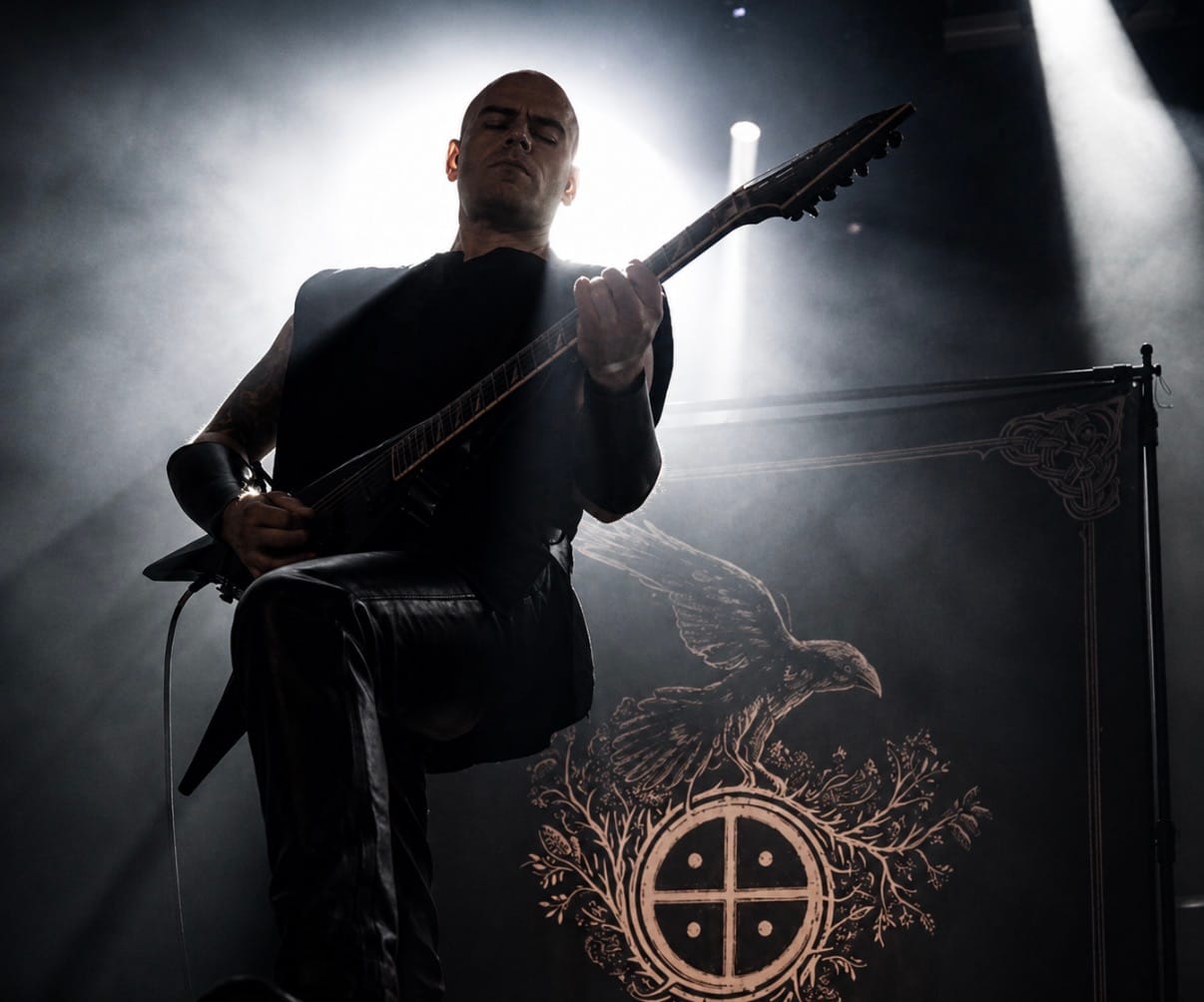
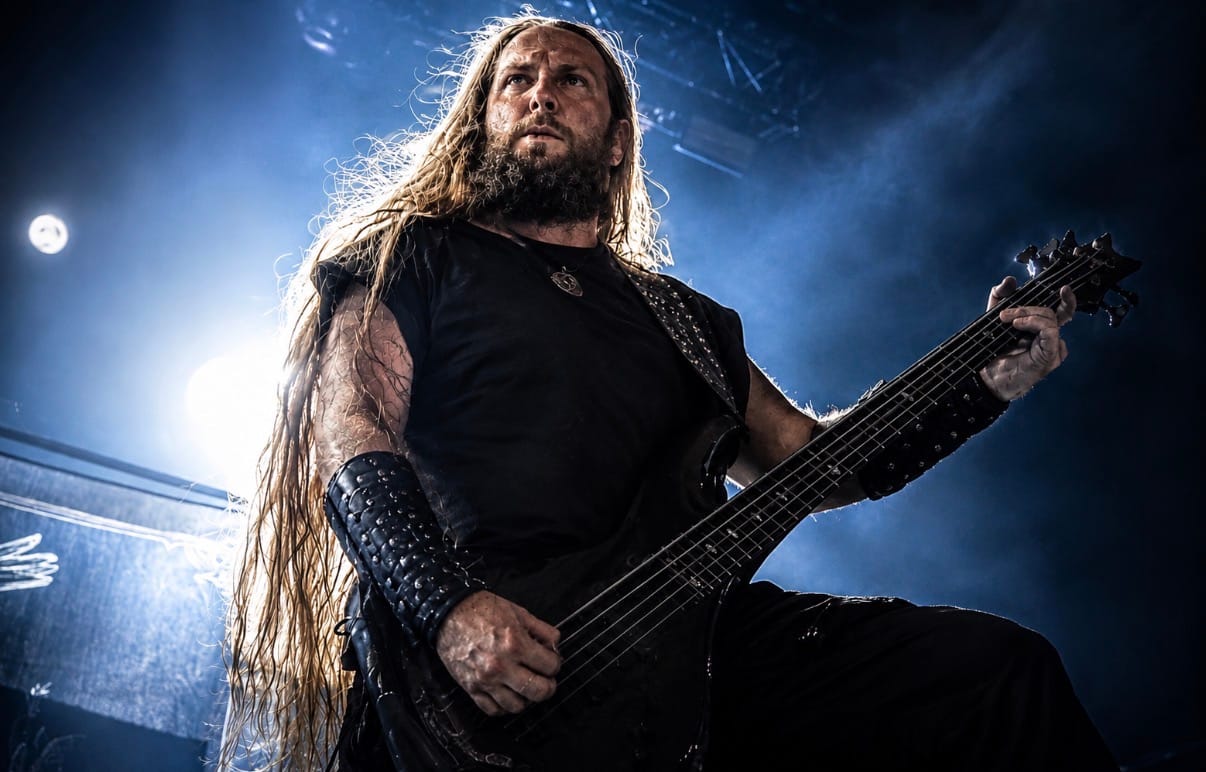
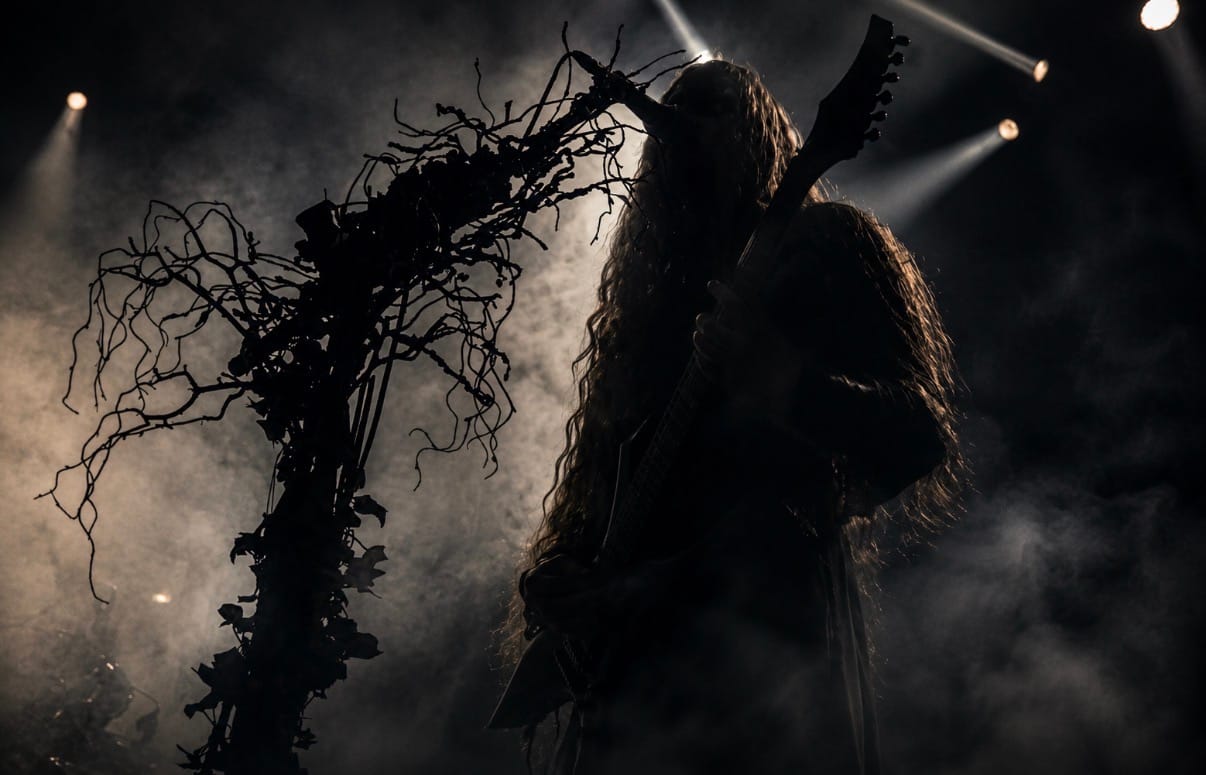
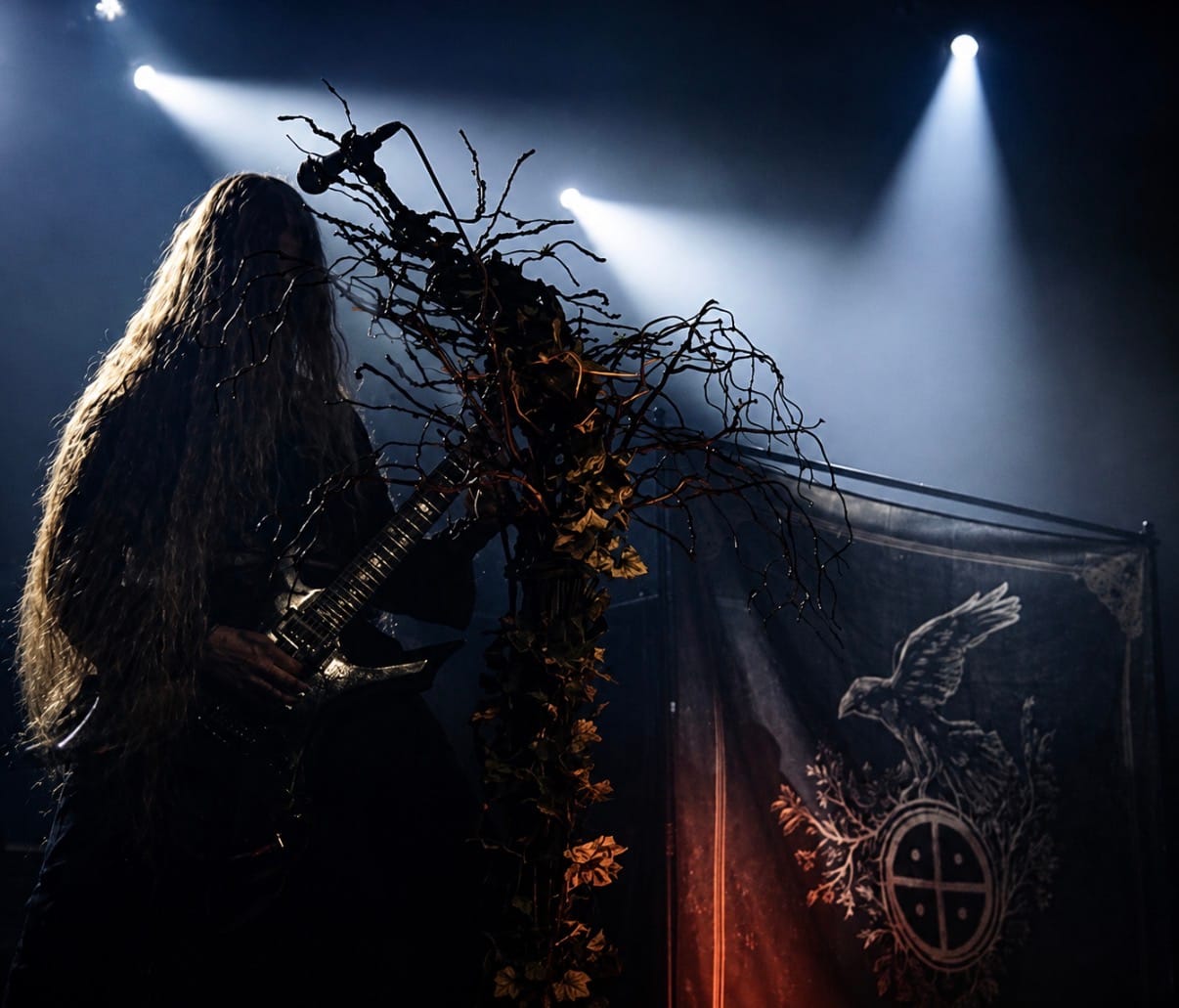
Live, that atmosphere was immediately apparent. Hulder’s set possessed a deliberate visual identity that complemented the music rather than distracting from it. The stage presentation felt appropriately dark, ritualistic and immersive, creating an environment that made the transition into Verbolgen feel natural. There was a genuine sense that the visual presentation, physical releases and music were all pieces of the same artistic world.
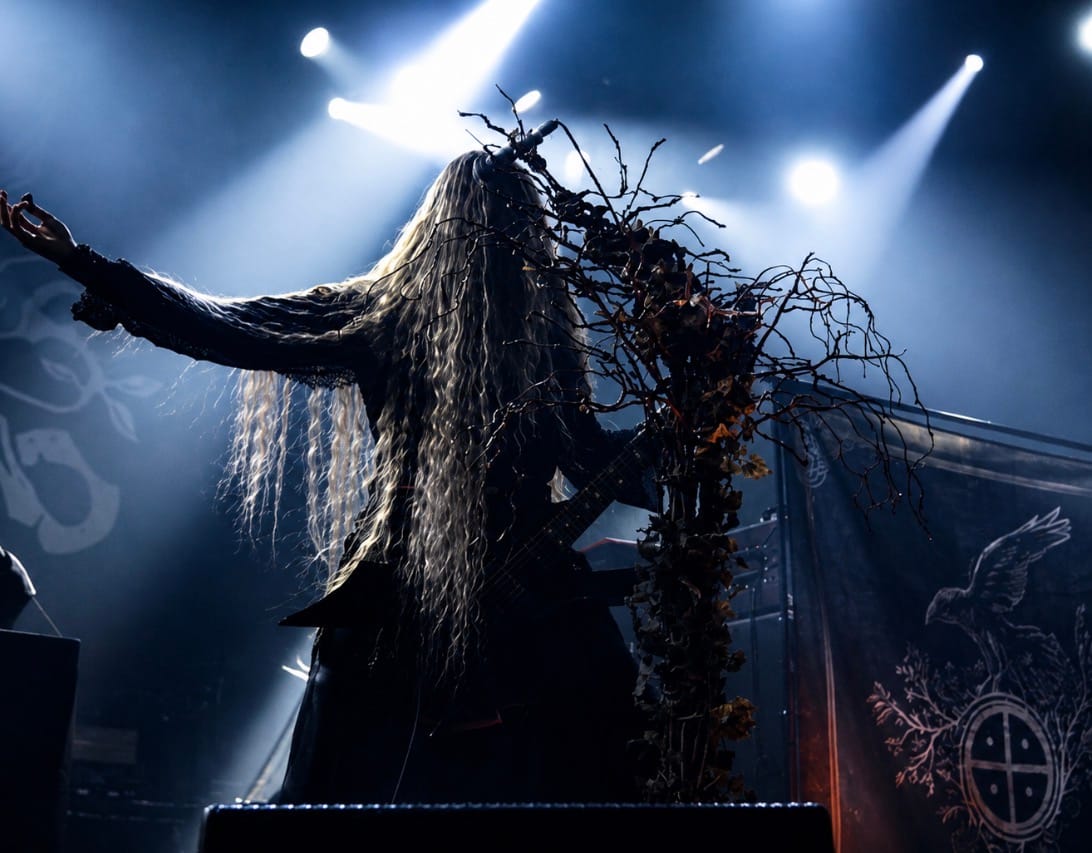
Musically, the performance was every bit as convincing.
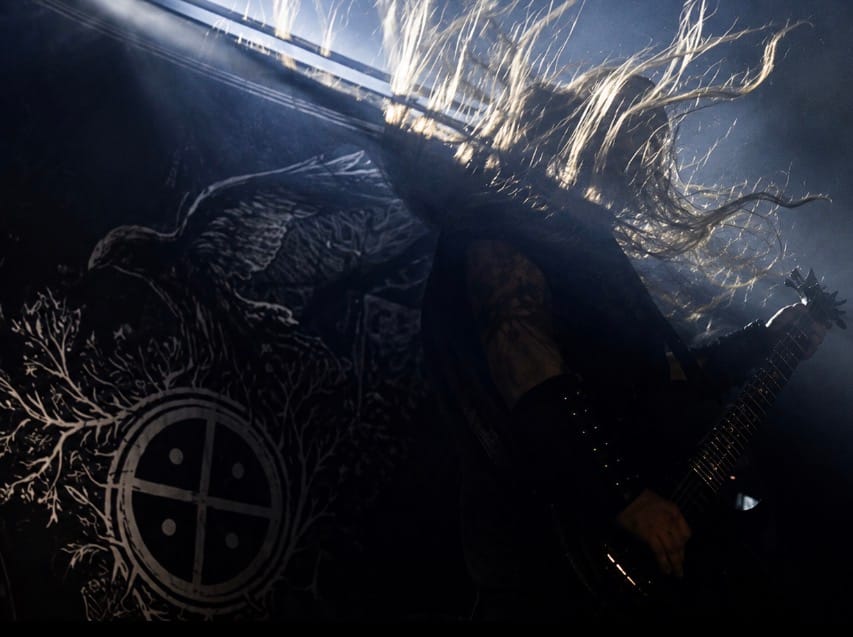
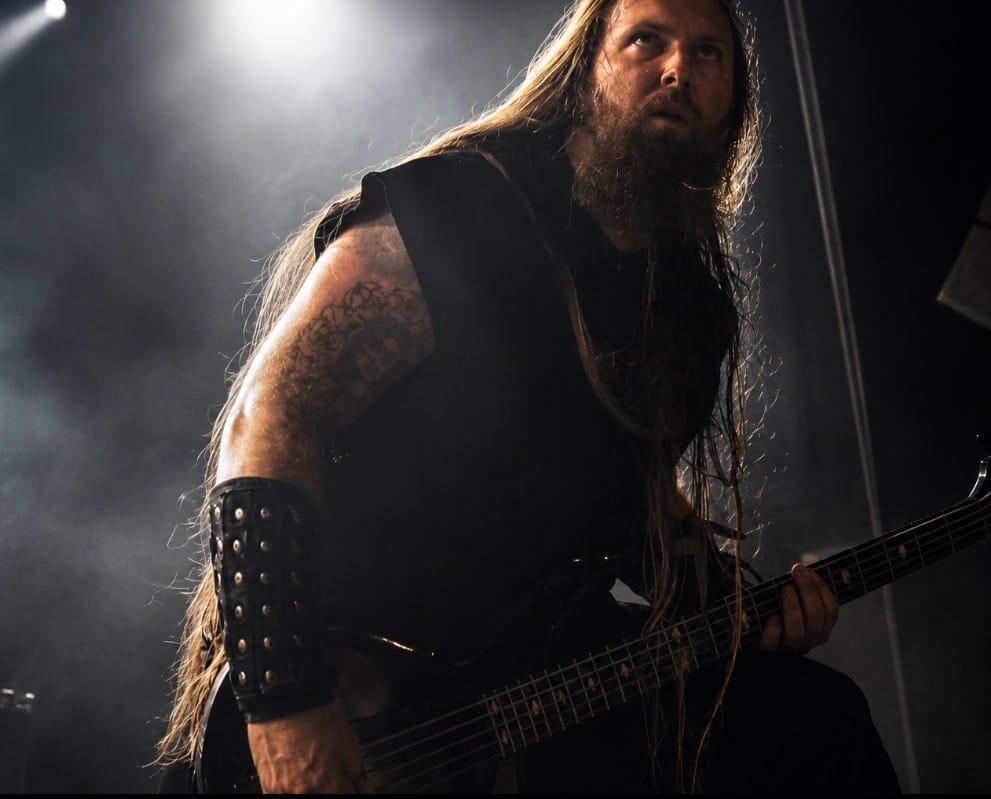
The material from Verbolgen carried the weight and aggression of traditional black metal while allowing its more atmospheric elements to breathe. Tracks such as “The Crowning,” “Thy Binding Oath,” “Verbolgen” and “View From Nemeton” demonstrate how effectively Hulder can balance relentless intensity with melody, texture and a sense of bleak grandeur. The album itself incorporates elements including keys, hurdy-gurdy and flute, and those additional textures contribute to the record’s distinct medieval and ancestral character.
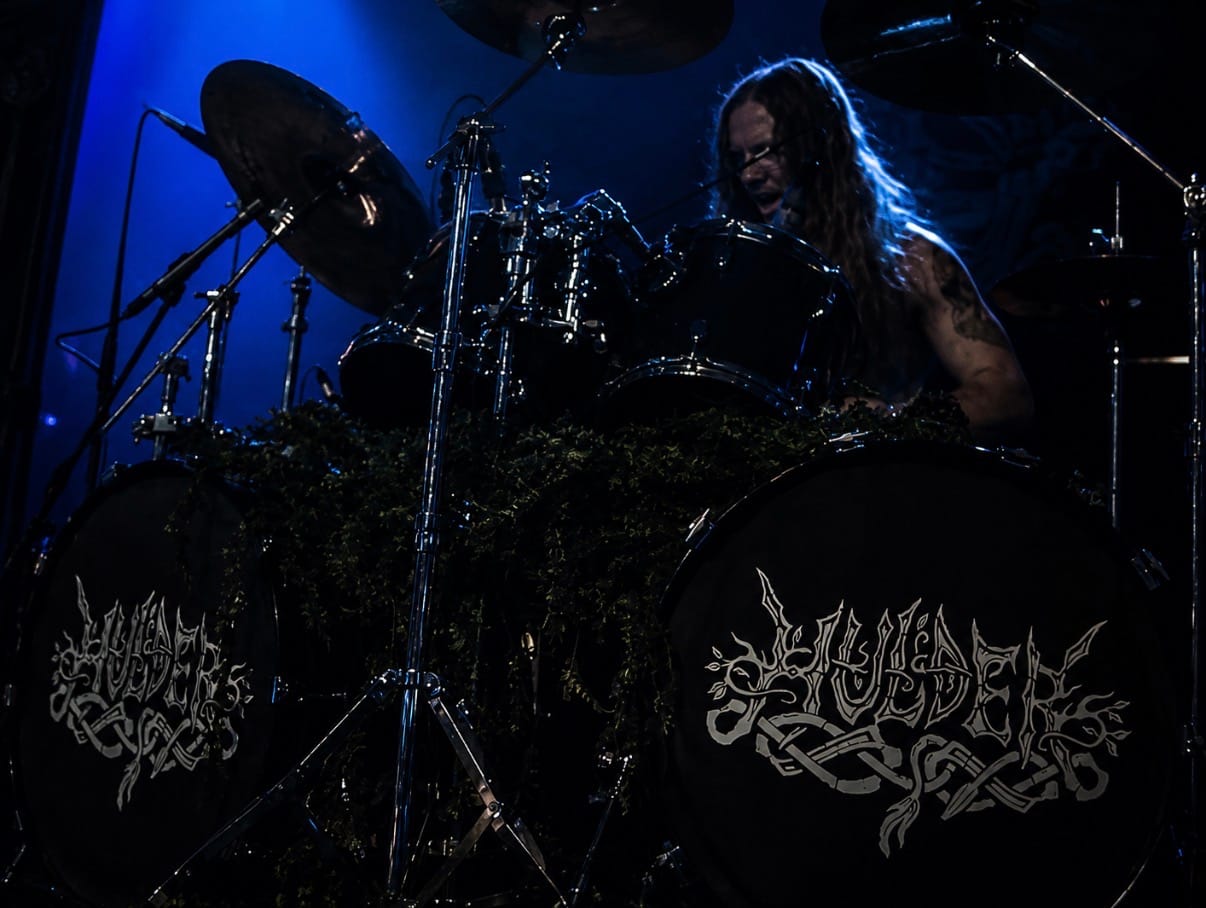
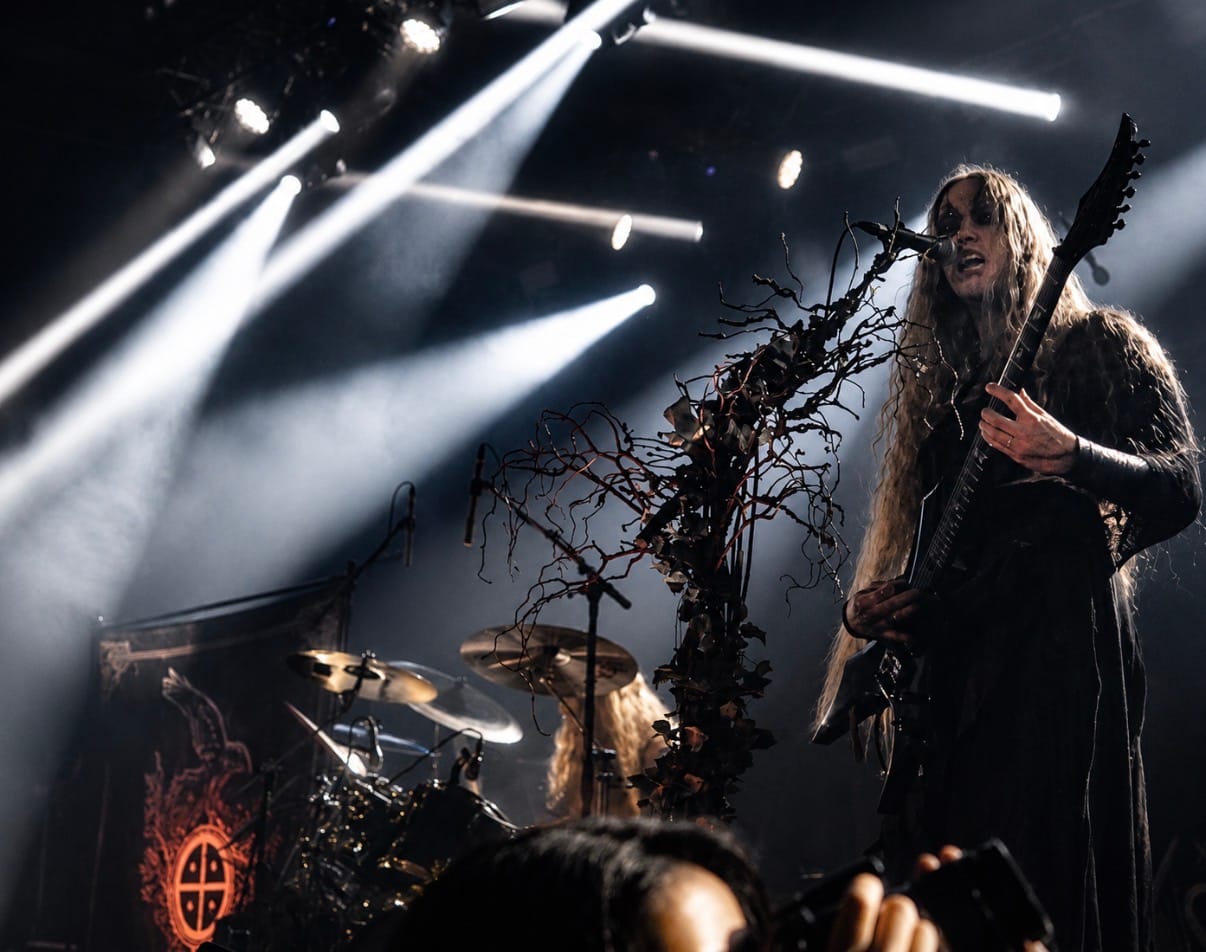
That character translated remarkably well live. There was no disconnect between what listeners hear on the record and what was delivered on stage. The performance was tight, powerful and visually compelling, with a stage presence that made Hulder feel far larger than a typical opening act. The result was a set that stood firmly on its own rather than simply functioning as an introduction to the headliner.
Dimmu Borgir: A Grand Return
By the time the lights dropped for Dimmu Borgir, HISTORY was filled with a crowd spanning generations.
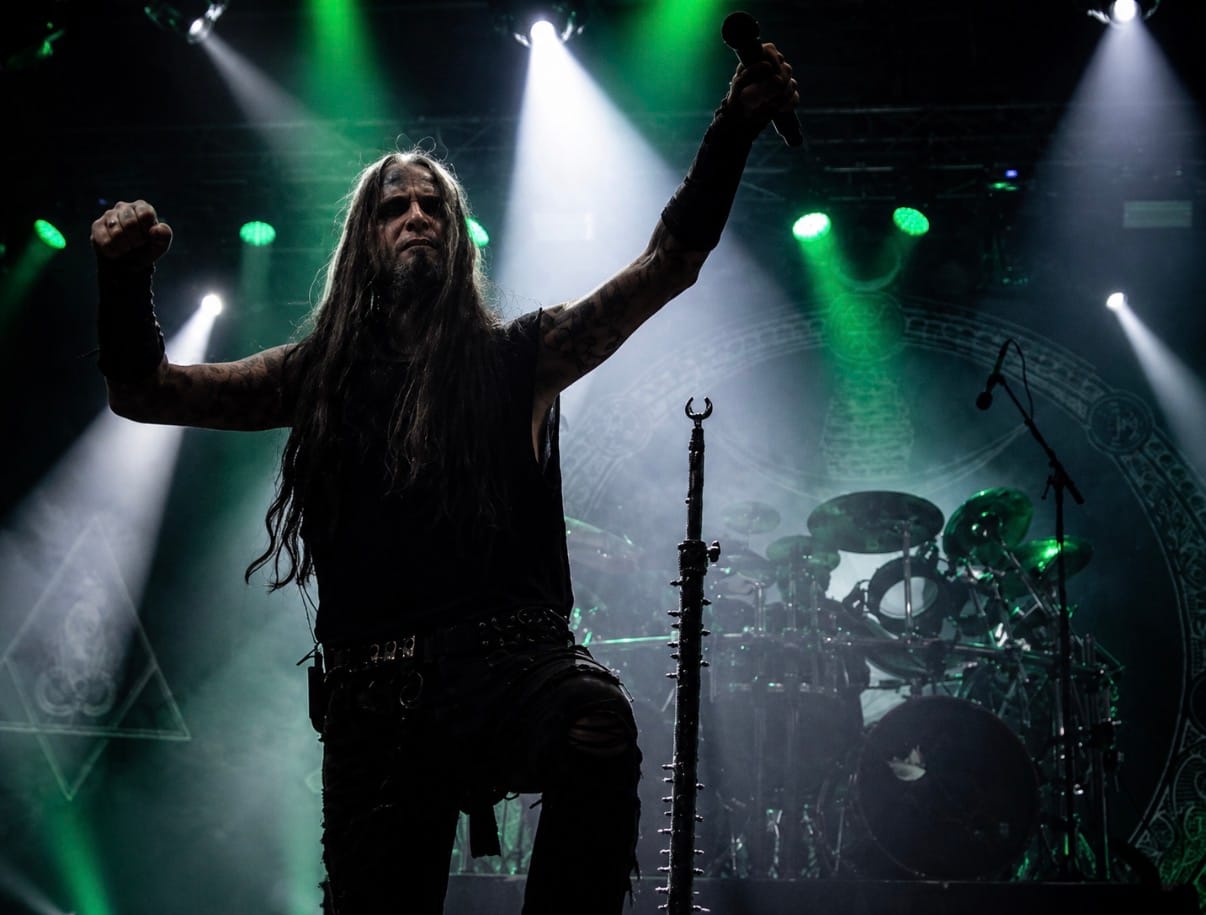
That was perhaps one of the most striking aspects of the evening. There were longtime fans who had followed the band for decades standing alongside younger listeners discovering them for the first time. The enthusiasm was unmistakable, and the response from the crowd made it clear that Dimmu Borgir’s music has not simply survived the years—it has continued to find new listeners.
Then came the opening moments of the Dimmu Borgir set, and the scale of the production immediately changed.
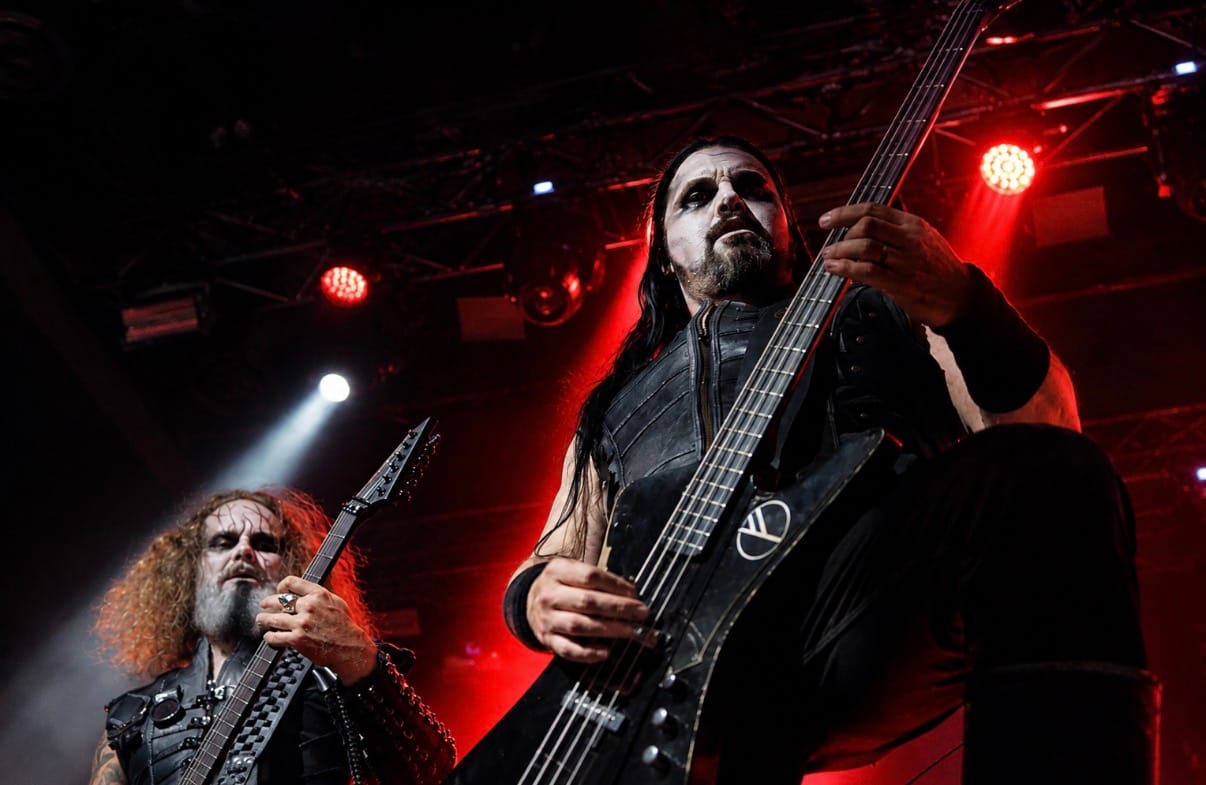
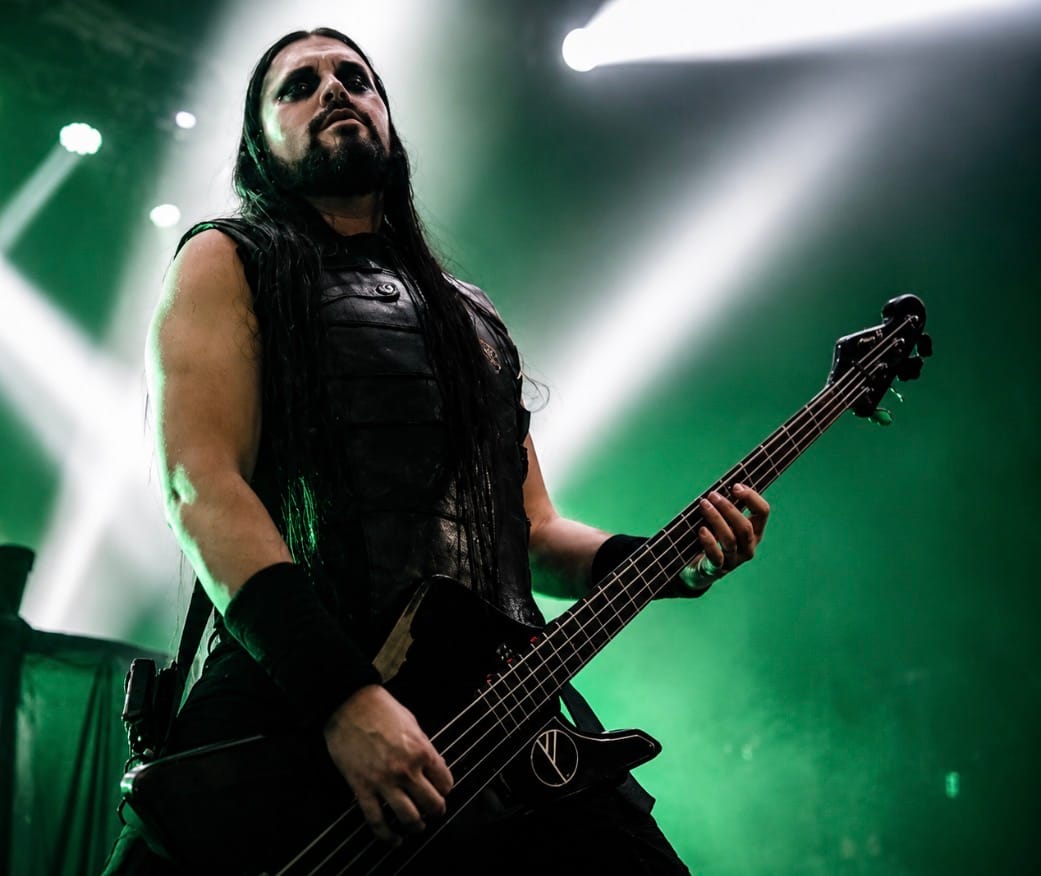
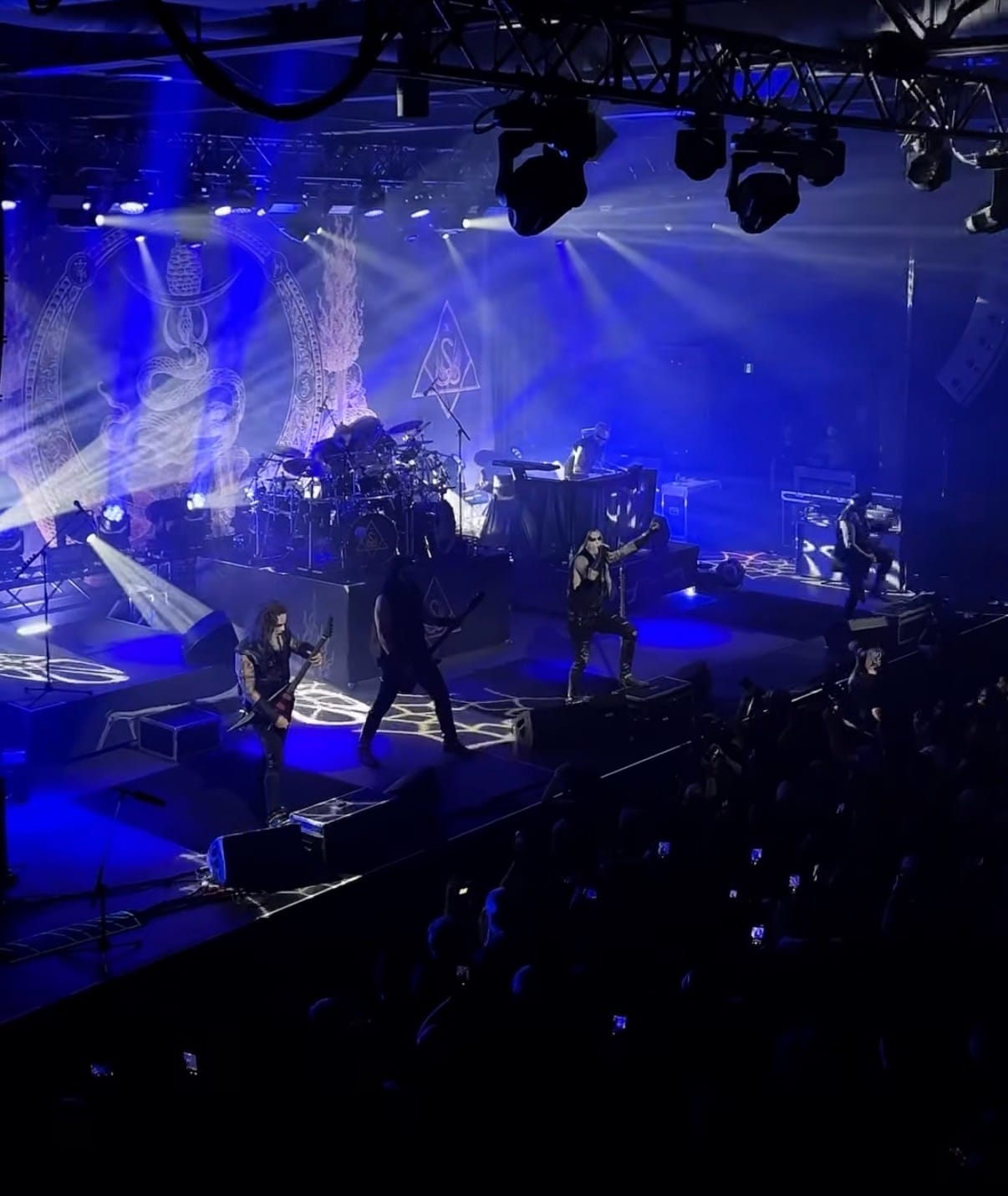
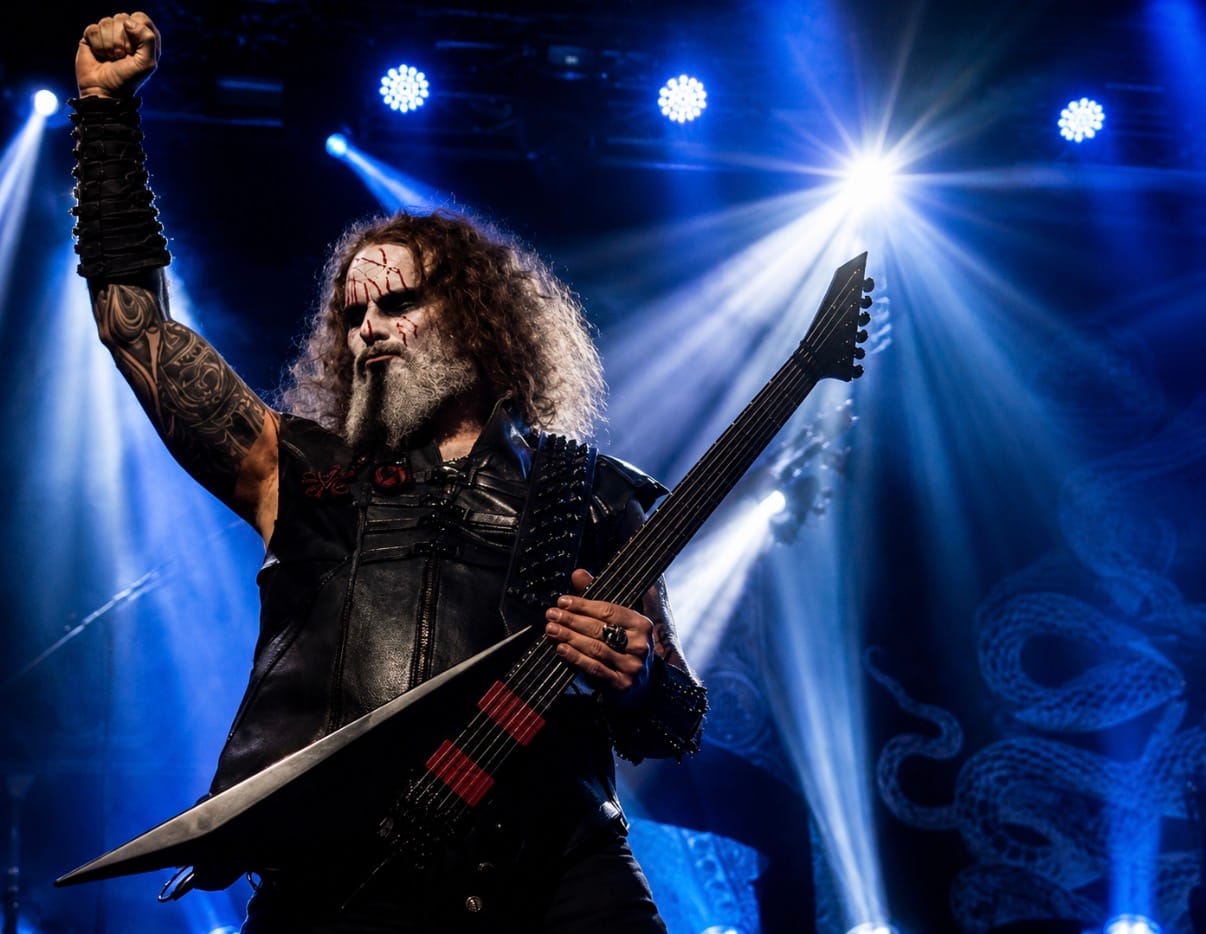
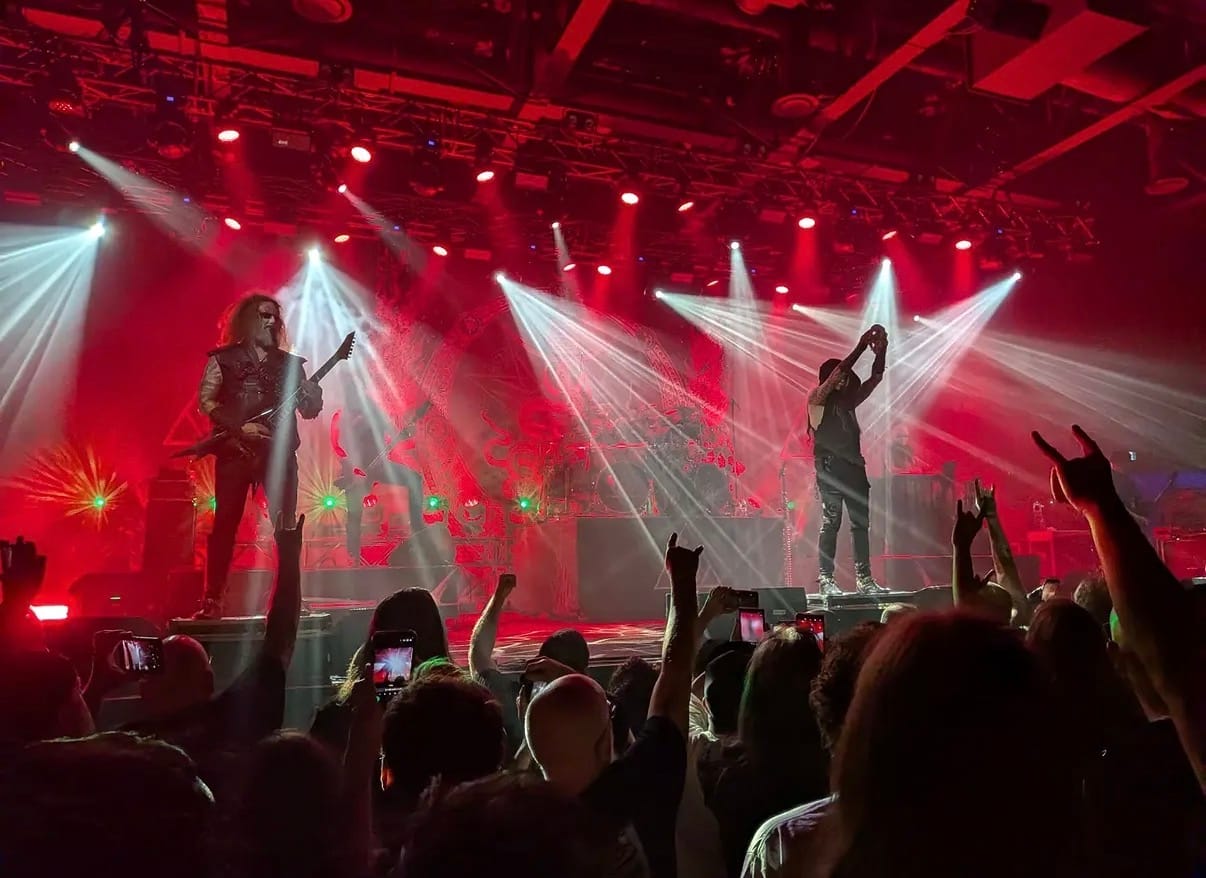
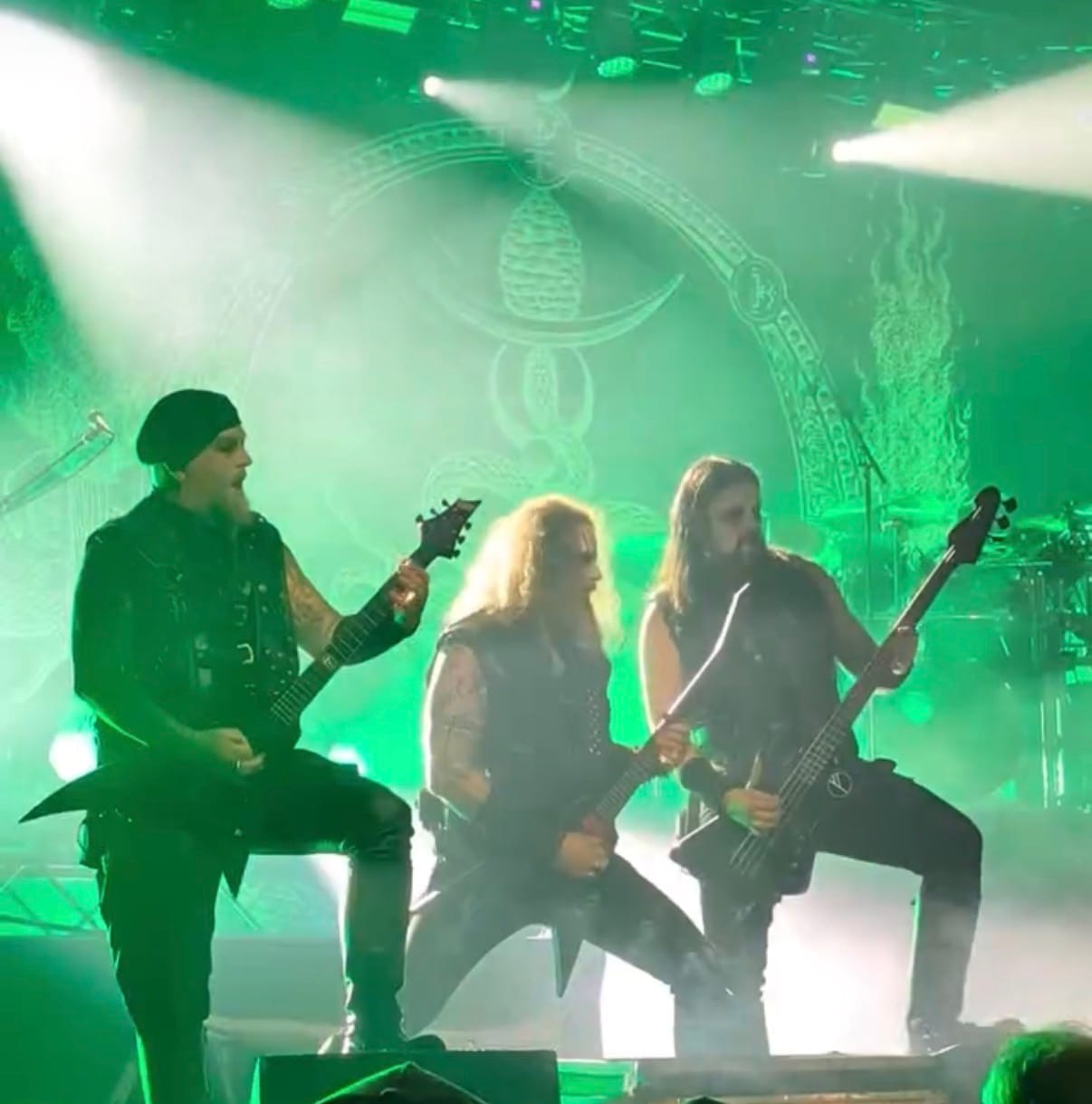
The band have always understood the theatrical side of extreme metal, but the Grand Serpent Rising era feels particularly suited to a live setting. The combination of lighting, stage props, costumes and carefully constructed visual moments transformed HISTORY into something considerably more imposing than a typical club environment.
Every element felt intentional.
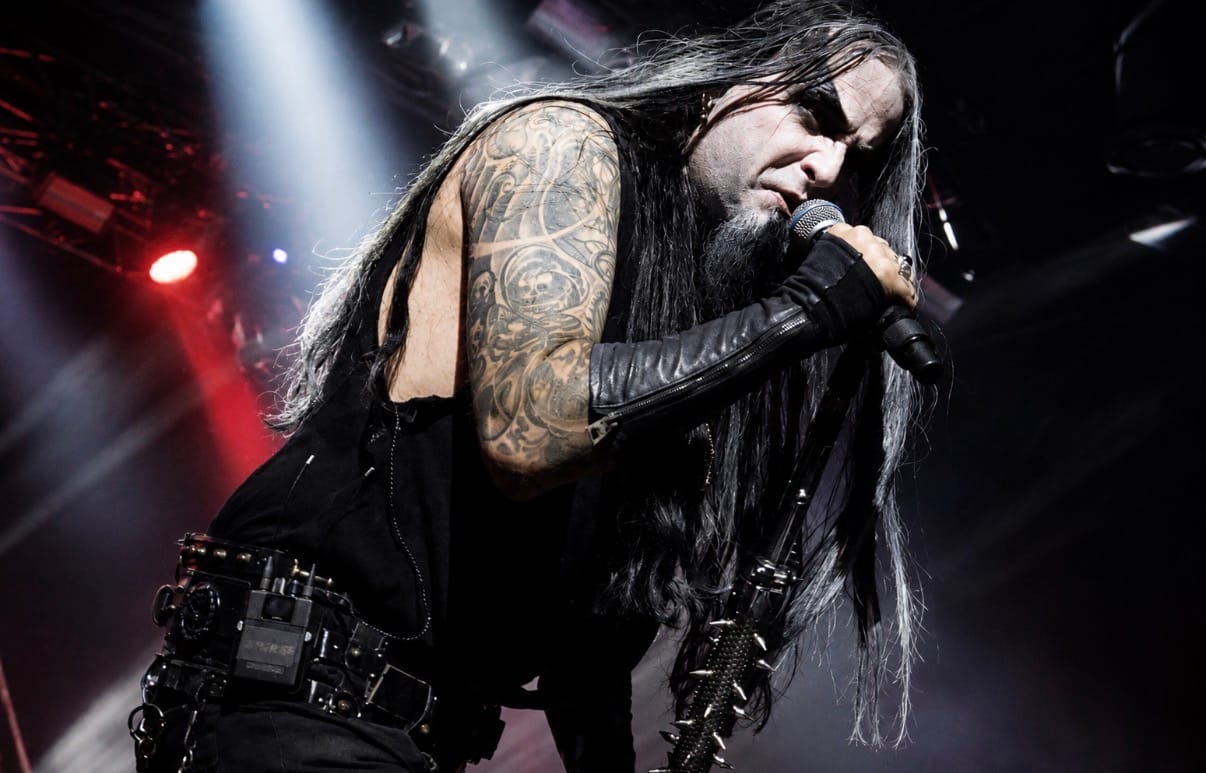
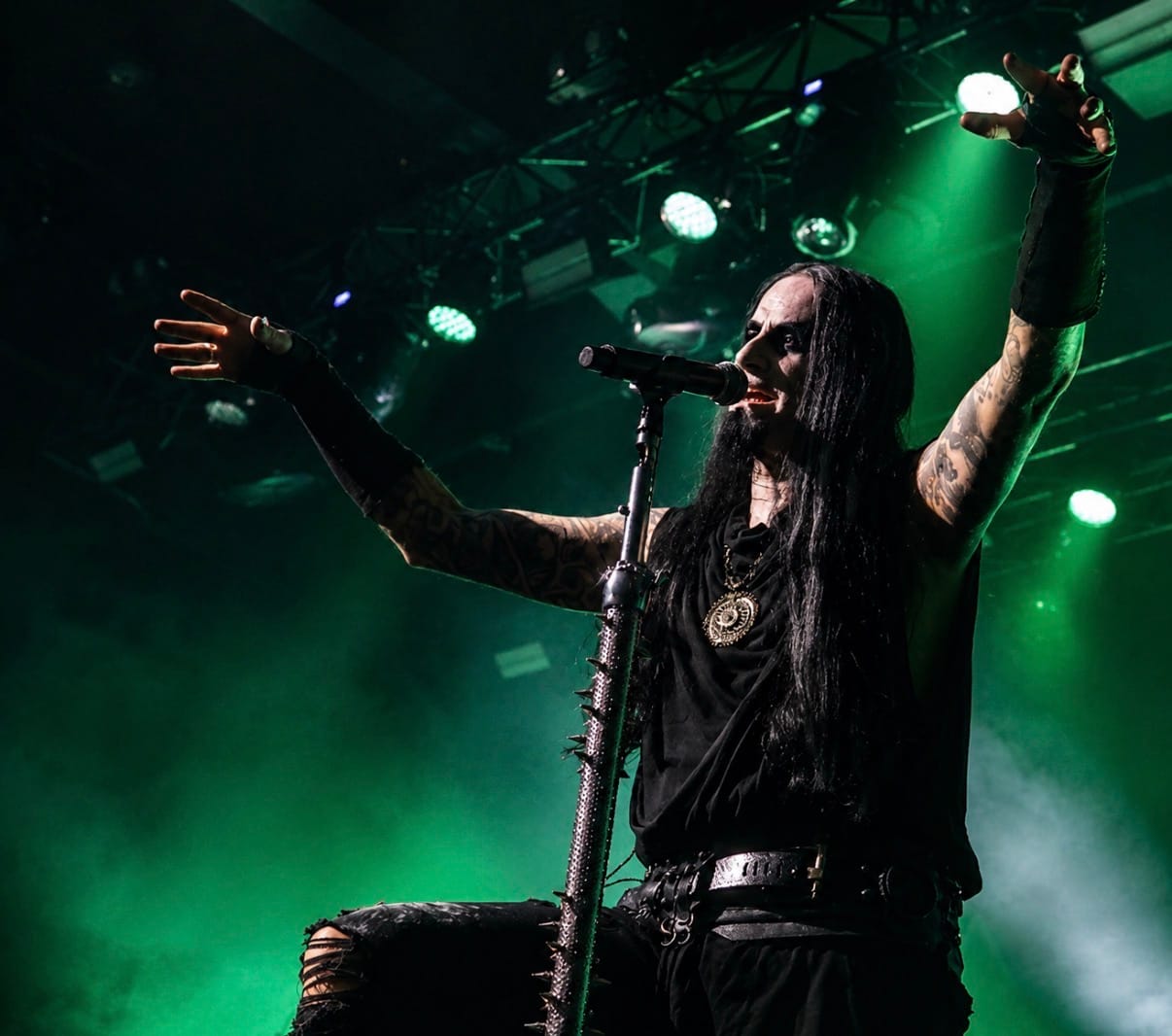
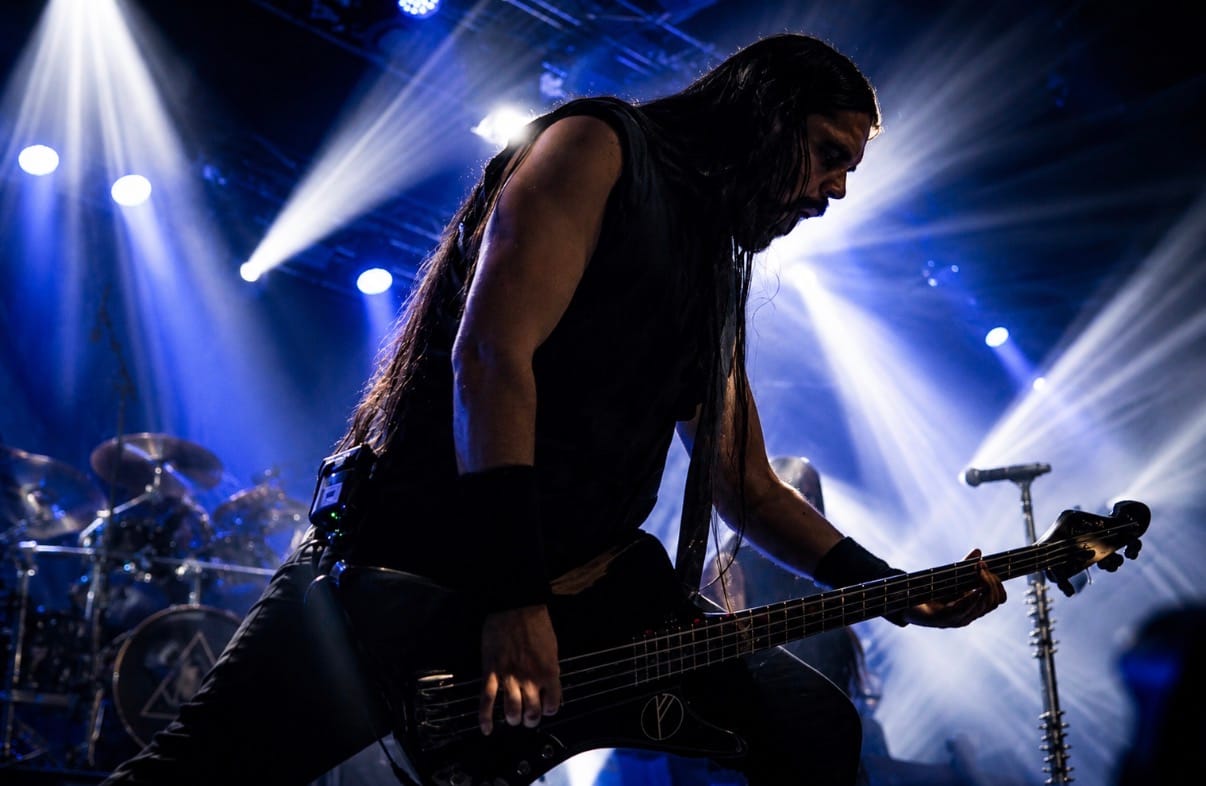
The lighting was particularly impressive, shifting between cold, ominous atmospheres and explosive bursts that emphasized the dramatic changes within the music. The stage design created a sense of scale that matched the band’s symphonic approach, while the musicians themselves remained central to the spectacle rather than becoming lost behind it.
And then there was Shagrath.
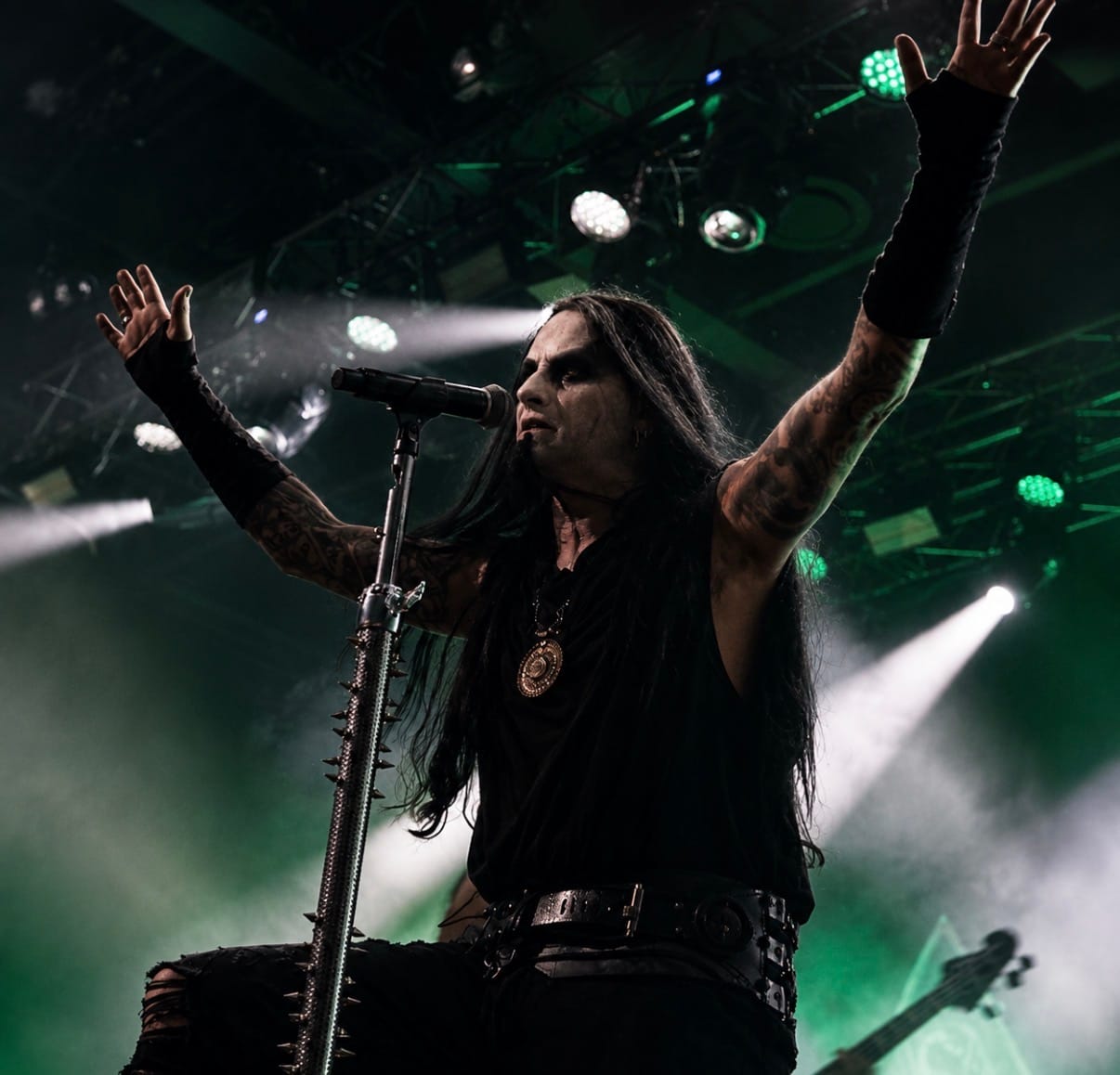
His stage presence remains one of Dimmu Borgir’s greatest strengths. He commands attention without having to fight for it, moving between the theatrical and the confrontational with an ease that has become part of the band’s identity. Silenoz, meanwhile, anchored the performance with a commanding guitar presence, helping give the newer material the same sense of authority as the older classics.
Grand Serpent Rising Meets the Classics
What made the set especially satisfying was the balance between the new material and the songs that have defined Dimmu Borgir for generations.
Grand Serpent Rising is an interesting addition to the band’s catalogue because it does not attempt to erase what came before it. Instead, it feels like a continuation of the musical language Dimmu Borgir have spent more than three decades developing.
The album carries the symphonic majesty associated with the band’s most celebrated work, but it also has a somewhat more stripped-down quality than some of their previous releases.
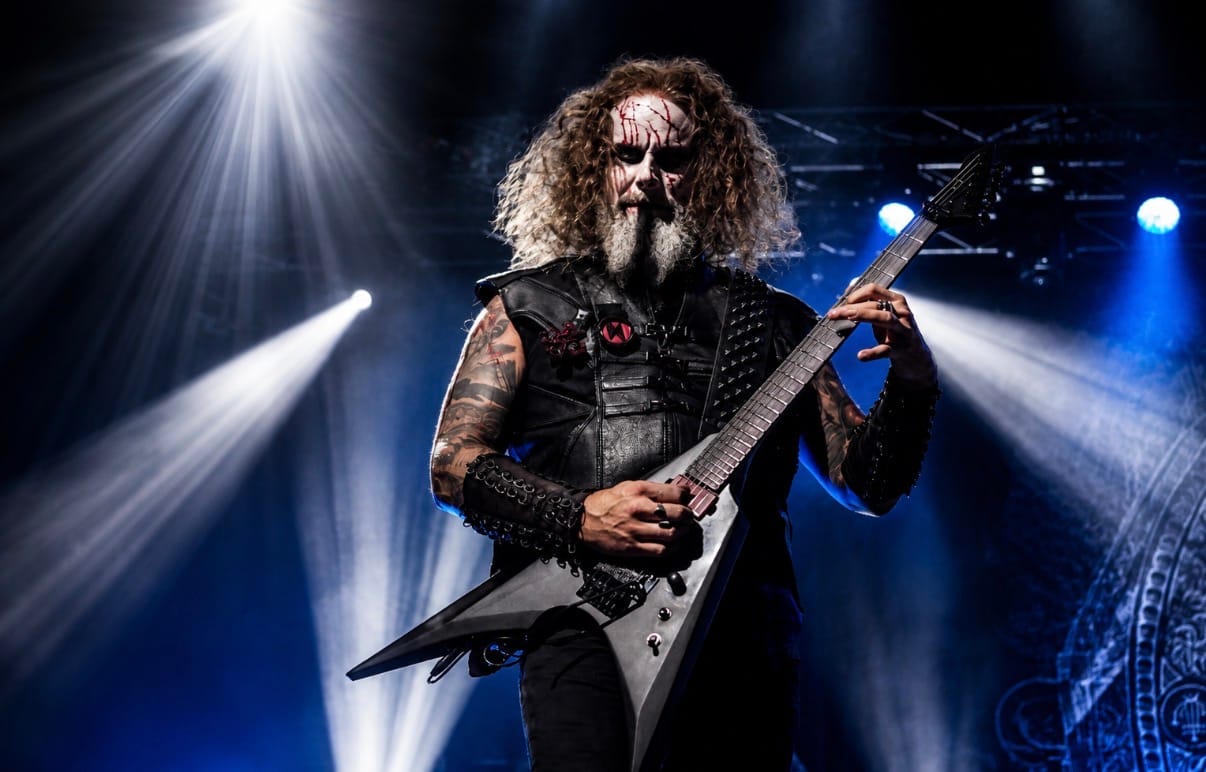
Hearing that material live alongside songs from Dimmu Borgir’s earlier eras created an unusually satisfying sense of continuity.
For longtime listeners, there were moments that felt like revisiting a formative part of their musical history. For newer fans, those same songs appeared to be being discovered in real time.
That generational crossover was one of the most powerful elements of the entire night.
More Than Nostalgia
As someone who first encountered Dimmu Borgir in high school, there was an unavoidable emotional component to finally seeing them live.
There is something surreal about hearing music that was once part of your adolescence performed decades later in a room full of people who have arrived at the same band through completely different paths.
But the Toronto performance never felt like a museum piece.
If anything, the opposite was true.
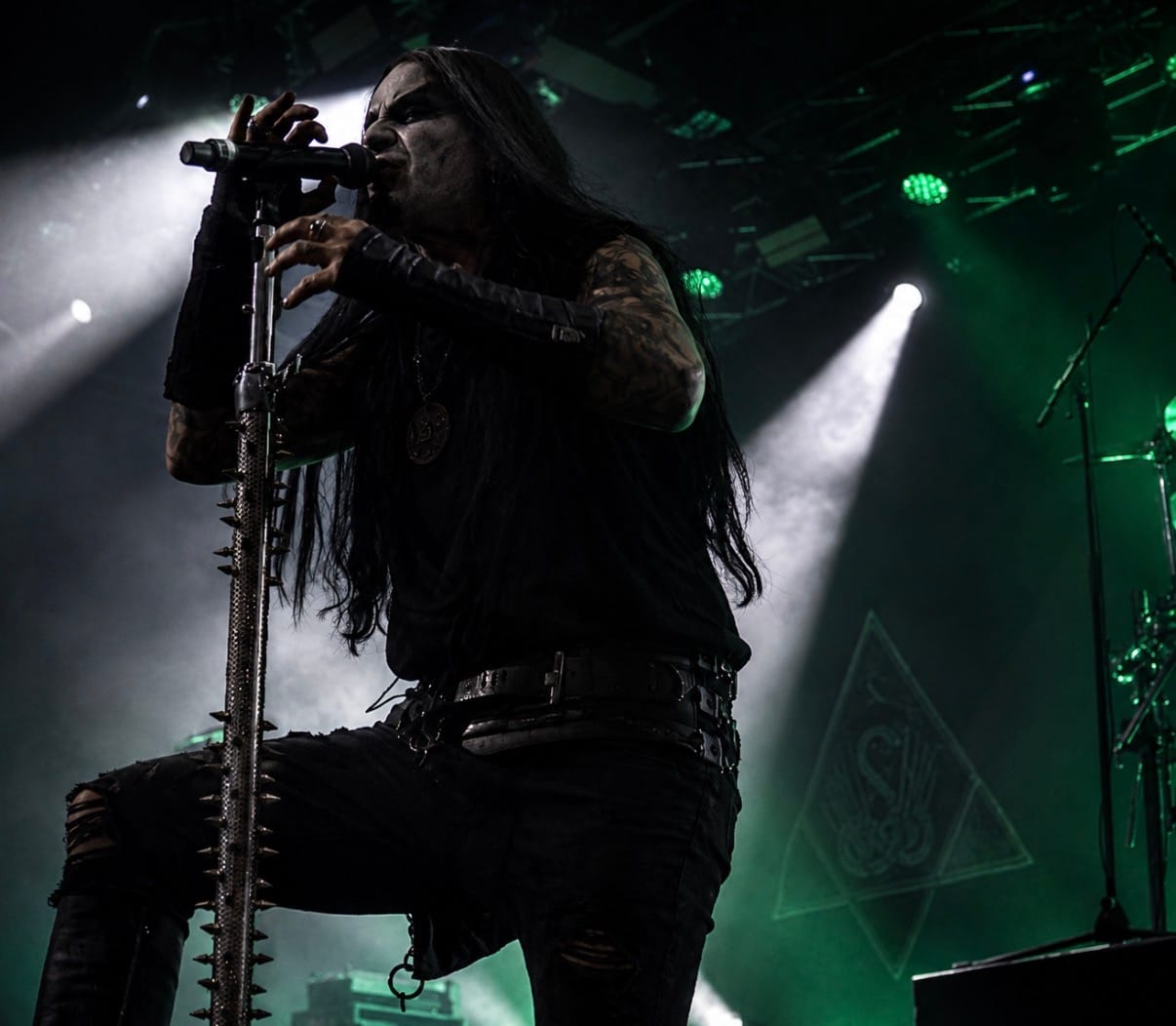
Dimmu Borgir looked and sounded like a band fully aware of their history while still moving forward. The Grand Serpent Rising material fit naturally into the set rather than feeling like an obligatory showcase for a new release. The older material, meanwhile, received the kind of response you’d expect from songs that have become deeply embedded in the lives of their listeners.
The audience participation was another highlight. Shagrath repeatedly engaged with the crowd, creating a sense of inclusion that helped bridge the considerable distance created by the band’s imposing stage production. Despite the theatricality, there was a feeling that the audience was not simply watching a spectacle—they were actively participating in it.
And Toronto responded.
A Complete Experience
Another detail that deserves recognition was the overall presentation surrounding the performance.
From the production to the stage design and the extensive merchandise selection, the evening felt like a complete experience rather than simply a concert. For fans who wanted to take a physical piece of the Grand Serpent Rising era home, there was plenty to choose from, reinforcing the idea that modern metal culture is as much about physical releases, artwork and merchandise as it is about the music itself.
That attention to detail matters.
Extreme metal has always placed enormous importance on atmosphere, imagery and physical presentation, and Dimmu Borgir have long understood how to turn those elements into part of their identity. The Grand Serpent Rising era continues that tradition while introducing a new visual chapter.
A Night That Bridged Generations
Walking out of HISTORY after the final notes, the strongest impression was not simply that Dimmu Borgir had delivered a great performance.
It was that the band had managed to make their history feel current.
For longtime fans, the evening offered the emotional payoff of seeing songs that have accompanied them for years performed live again. For younger fans, it was an opportunity to witness one of the defining names in symphonic black metal at a moment when the band are entering a new chapter.

And for those of us who discovered Dimmu Borgir years ago, it was something even more personal.
Standing in that crowd and watching the band perform material from Grand Serpent Rising alongside songs that once formed the soundtrack to my teenage years felt like finally stepping into a moment I had been waiting for without realizing it.
The Grand Serpent Rising Tour did not simply look backward.
It showed that Dimmu Borgir can carry their legacy forward—and that there is still a hungry audience waiting to follow them into whatever darkness comes next.
Toronto was more than ready.
And Dimmu Borgir proved they were ready too.