
That Was Perfect, Let's Do It Again: An Interview with Anssi Kippo (Astia-Studio)
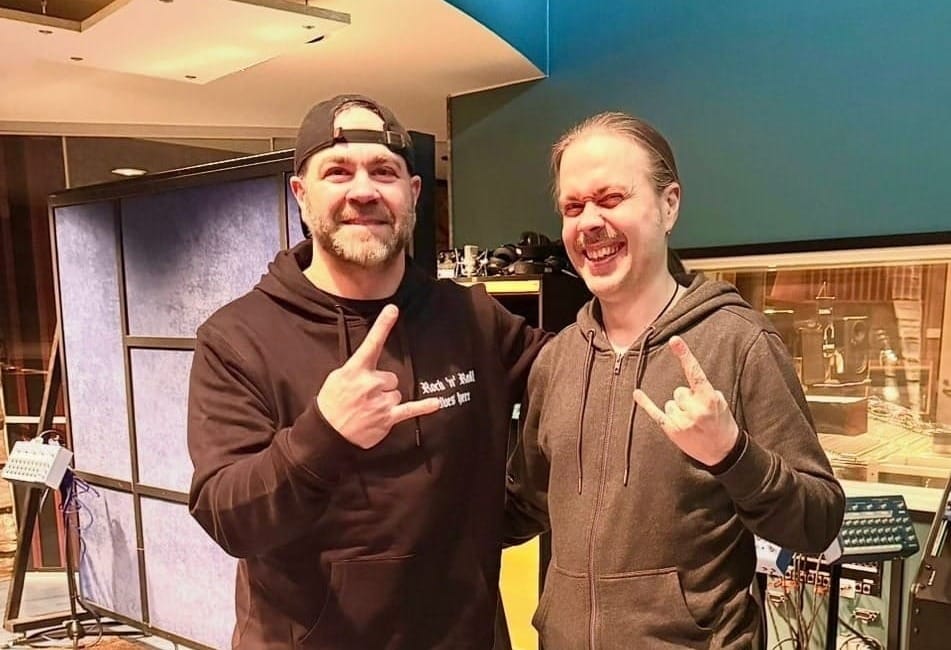
When two teenagers from the suburbs of Helsinki traveled three hours northeast to Lappeenranta during the summer of 1995 to knock on the door to the basement of a church, they might not have known at the time that the man who answered would become integral in helping them achieve their rock and roll dreams. The young men, Alexi Laiho and Jaska Raatikainen, arrived there in hopes of recording the second demo for IneartheD, the band that would become Children of Bodom, after they had heard there was “a young punk” with an 8-track tape recorder at this most unlikely of locations. The man who let them in, and ultimately helped them produce that second demo, was Anssi Kippo, who would fulfill a number of different roles for the band as they rose to international acclaim over the next decade.
Though the demo they recorded during those sessions (Ubiguitous Absence of Remission) did not garner much label attention, the group pressed on and produced another with Kippo titled Shining to similar yawns from record executives. It wasn’t until their self-produced debut album Something Wild that they caught the ears of the brass at Spinefarm, which started a string of releases that are now indispensable pieces of trailblazing metal that defied genre labels and influenced countless groups that followed. Besides producing the debut record, Anssi was at the helm for the godly Hatebreeder, an album that saw the Bodom boys take a sharper approach to songwriting and playing under his firm direction. As the story goes, Kippo often required an exhaustive amount of takes in order to get the band into an aggressive state that reflected the nature of the music, with the results on this classic record being proof that those methods were effective.
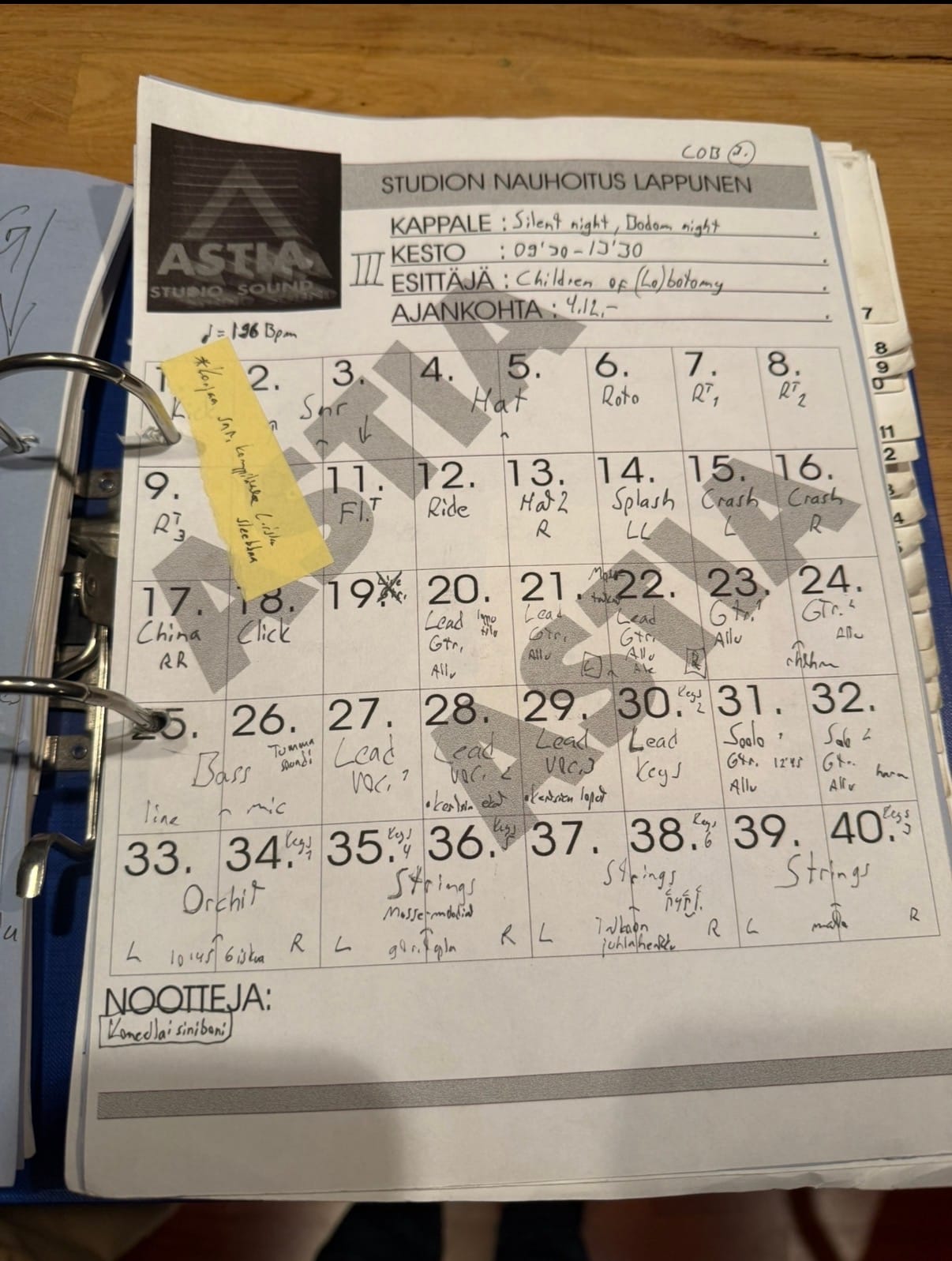
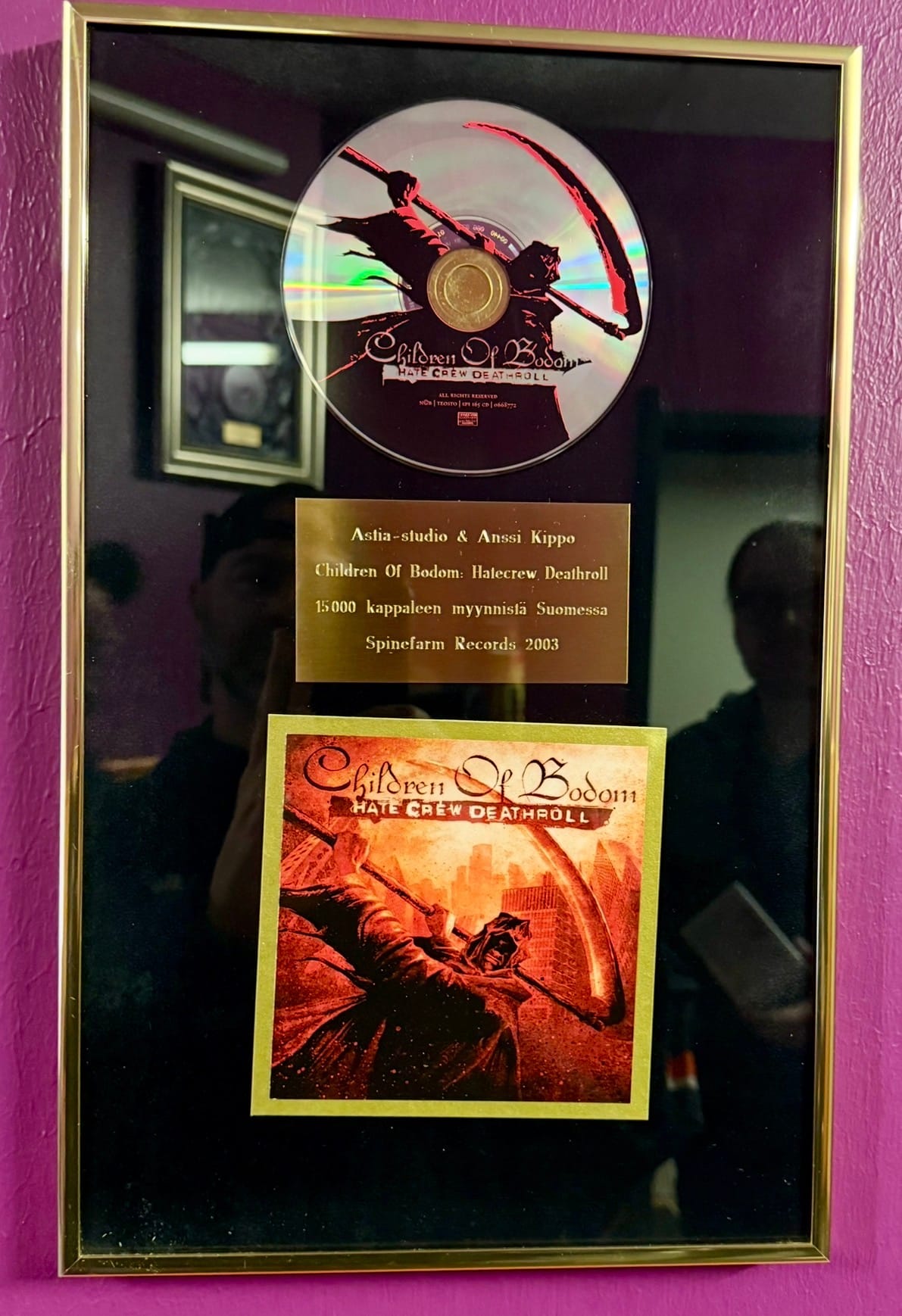
After suggesting to Alexi Laiho that the band get a fresh set of ears on their material when recording their third album, Follow the Reaper, the band collectively decided to return to Anssi for the most important release of their career, determining that they needed his firm hand to guide their next record. This choice would prove to be wise, as Children of Bodom produced Hate Crew Deathroll, arguably the band’s best, and more importantly, the one that catapulted them to international acclaim. They went in aiming to produce the greatest heavy metal record of all time that replicated the energy of the band’s live show, and the results allowed them to tour the United States for the first time, which had been a long-time goal for the group.
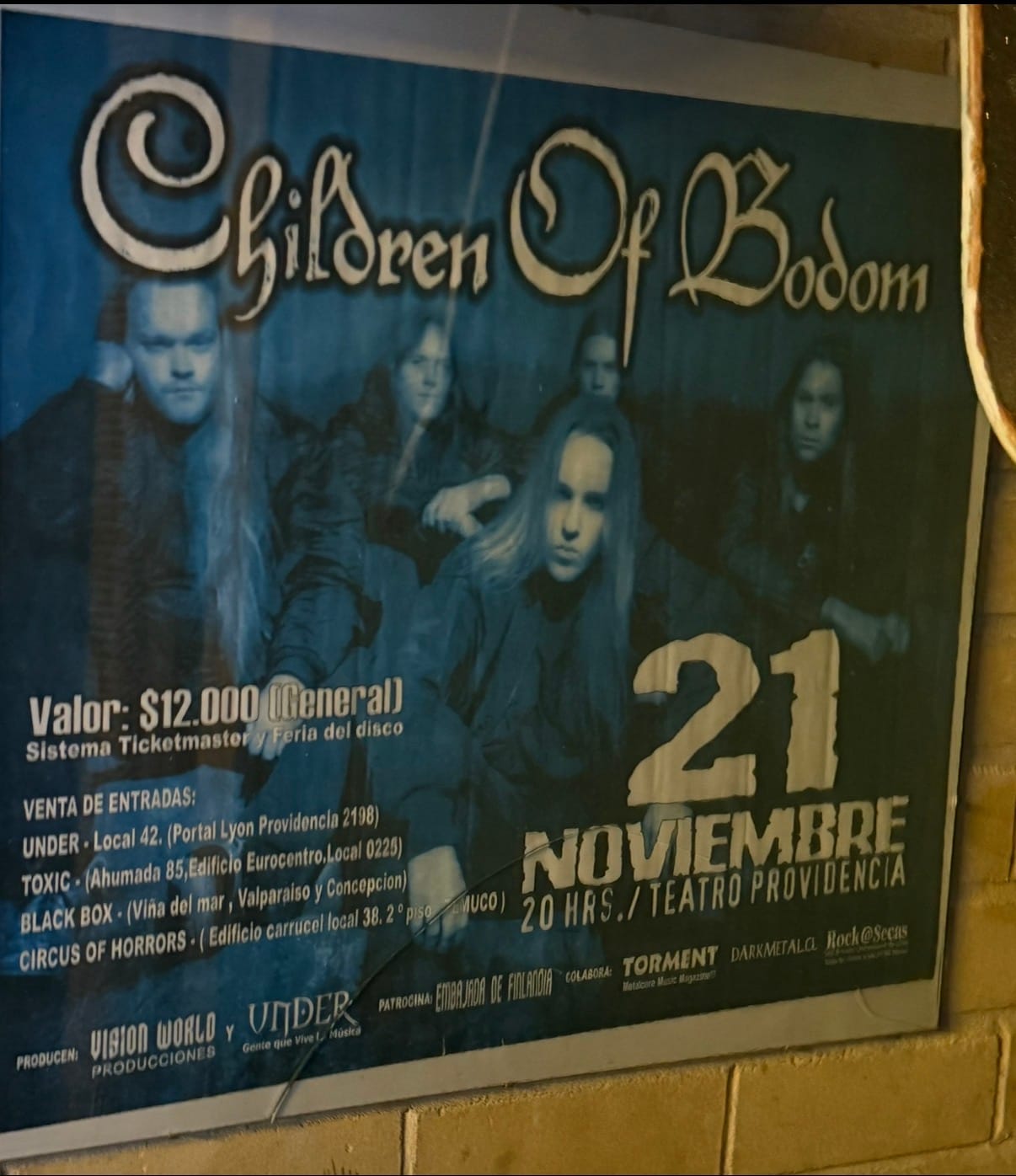
Though his strict guidance in the studio may appear to be the most impactful contribution Anssi had to the group, he played a number of other roles in the early days to help the band. He acted as a tour manager, their front-of-house sound engineer for live shows, and bus driver to gigs all around Finland, even dropping each member of the band at home before returning to Lappeenranta. He also accompanied them on foreign tours through Europe, South America, and another legendary run through Japan in 2001, proving to be a jack of all trades for the band as they navigated their way around the world.
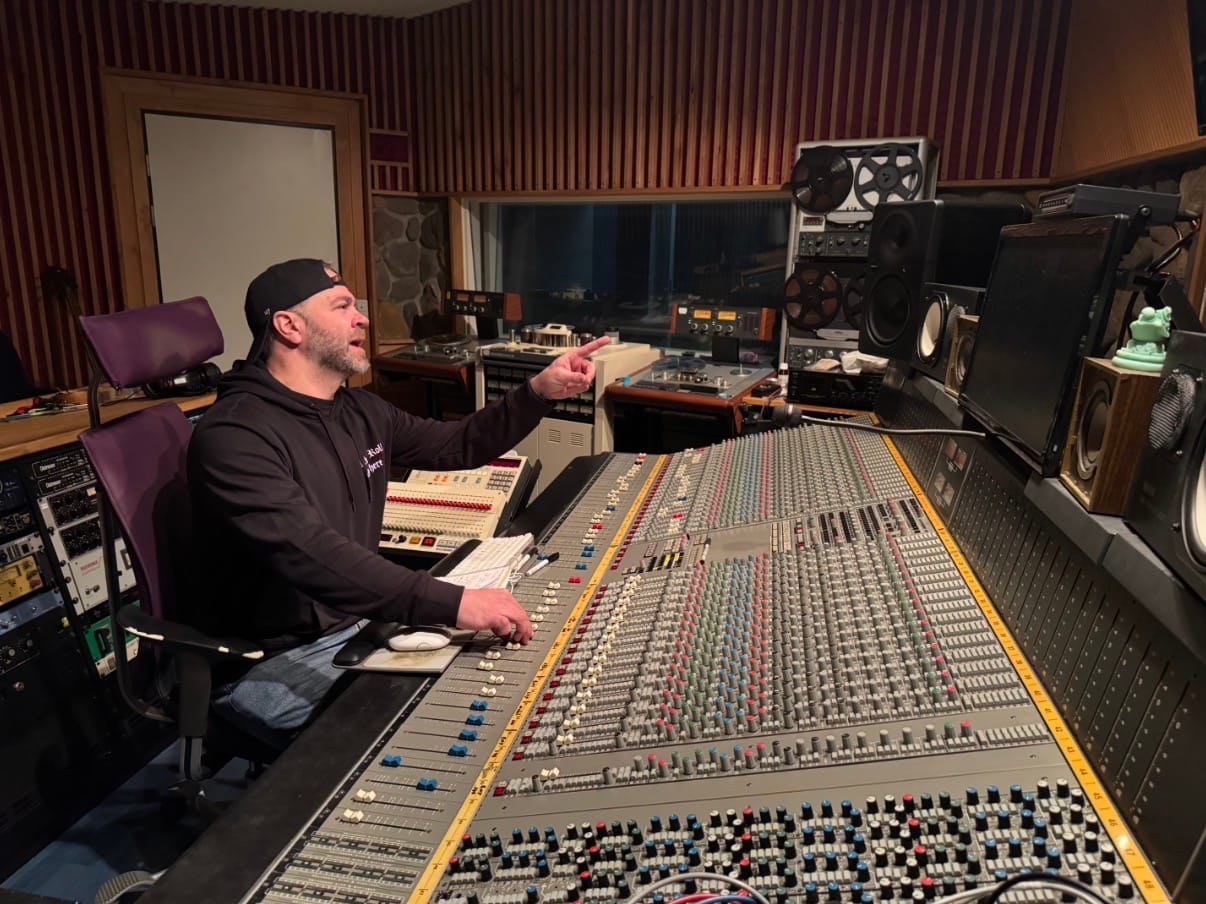
Though Astia-Studio had humble beginnings, it is now in its third location, custom built in a converted building that used to belong to a trucking company. It contains two state-of-the-art studios, built to capture bands in a live atmosphere exclusively on analog magnetic tape, as well as lodging accommodations for bands traveling to the studio to record. I had the pleasure of touring the facility with Anssi as my guide, even participating in one of his famous sound tests during my stay. I also had a chance to interview him on the couch in Studio A, at my request, because it’s where members of Children of Bodom sat during the Hate Crew Deathroll album sessions. We talked about this, and a number of topics, including:
- a recent award that was bestowed upon Anssi in Finland, his reasons for preferring analog over digital media, and the reasons why he decided to exclusively record that way.
- the first location of Astia-Studio, two young visitors he had in the summer of 1995, and the recording of Something Wild.
- why some members of Children of Bodom called him a tyrant during the Hatebreeder sessions, the reasons he gave Alexi Laiho for not wanting to record Follow the Reaper, and the group’s return to Astia to record their most important record Hate Crew Deathroll.
- his memories of an important gig opening for Dimmu Borgir, the longest working shift he ever had while driving the bus, the saddest tour in the history of Finland, and how he keeps Alexi Laiho's memory alive.
You can view the entire interview HERE:
Anssi was a pleasure to meet and speak with and gave an absolutely riveting tour of Astia-Studio, full of fun anecdotes about the early days of one of my favorite bands. If you are ever in the area, I would highly recommend taking the time to see the facility. Anssi is a gold and platinum selling music producer that has worked with several high profile metal bands in Finland and beyond, but you would never know it from the way he treated us with such kindness during our entire stay at the studio, taking the time to explain the nuances of recording, audio, and giving us a behind the scenes look at the recording of some of my favorite albums ever.
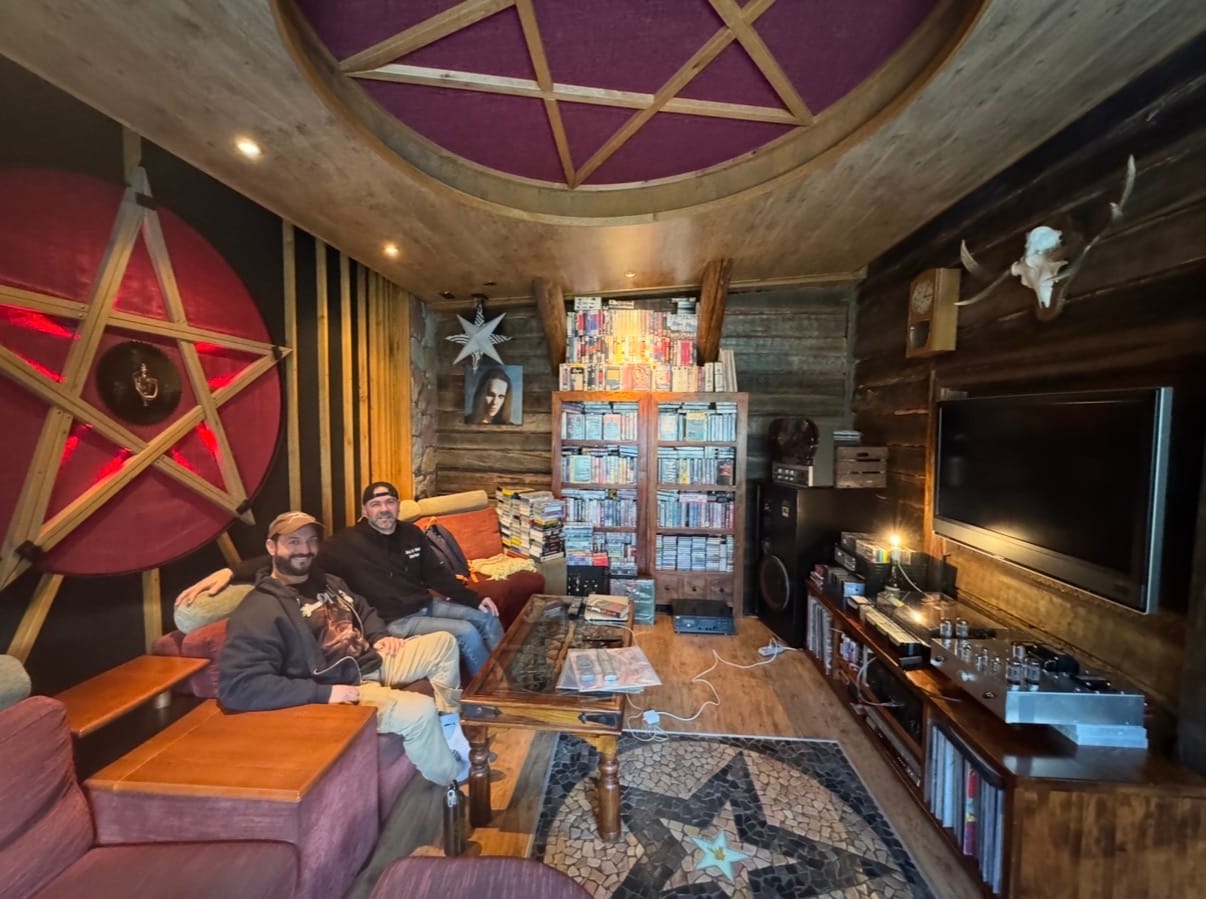
Though his time with the band in all capacities came to a close shortly after Hate Crew Deathroll, the impact Anssi made during these classic early recordings and tremendous live shows on long tours was integral to the band's success and ascent to stardom beyond their home country. In fact, Anssi was just named Cultural Figure of the Year for the South Karelia region, an award for those "who have made a significant contribution to developing Finnish music culture and its international reputation." And it's well deserved, as those very recordings that he worked tirelessly on with the band are a large part of why international fans, like myself, became aware of Children of Bodom so many years ago.
As if music producing wasn't enough, Anssi also has a blog in which he details all of the interesting things he is doing with audio these days, including using it as a way to try to relieve chronic pain. He also has a number of articles related to the early Children of Bodom albums spanning over the numerous recording sessions he had with the band. You can check them out on the Astia-Studio website linked below.
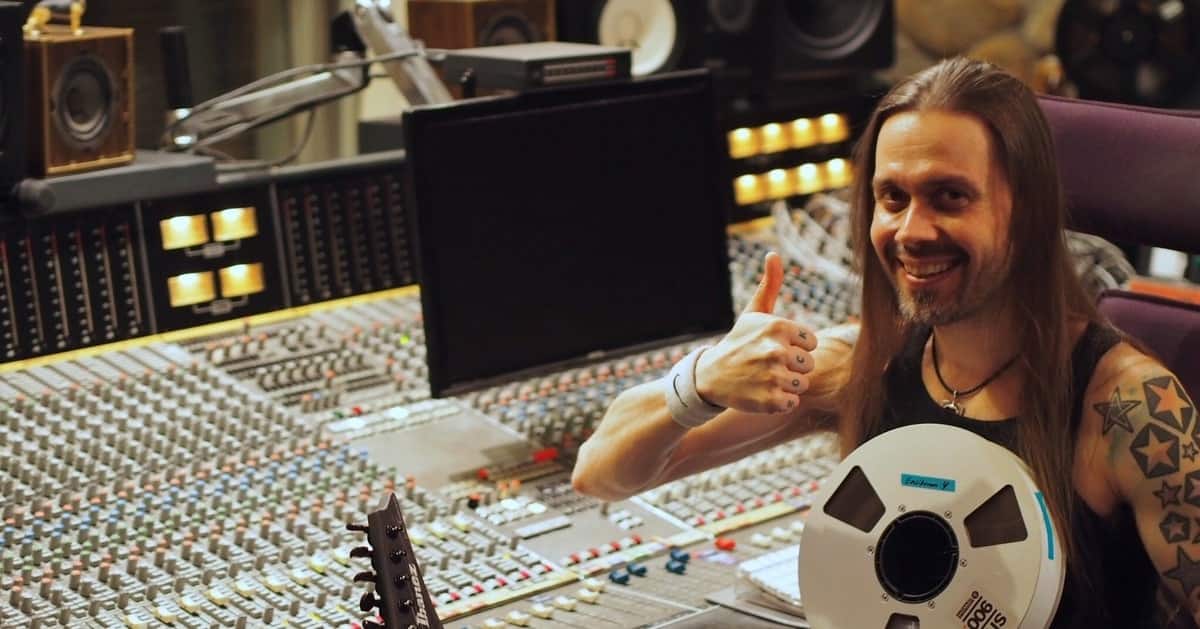
To commemorate the 30th anniversary of Astia, Anssi had also recorded a number of interviews in Finnish with notable musicians who recorded at the studio, including Janne Wirman, Jaska Raatikainen, Henkka Seppala, Alexander Kuoppala, Petri Lindroos, and a number of others. They are all subtitled in English and contain many great stories from the early days of the Finnish metal scene. They require a good deal of reading if you aren't fluent in Finnish, but are well worth the journey.
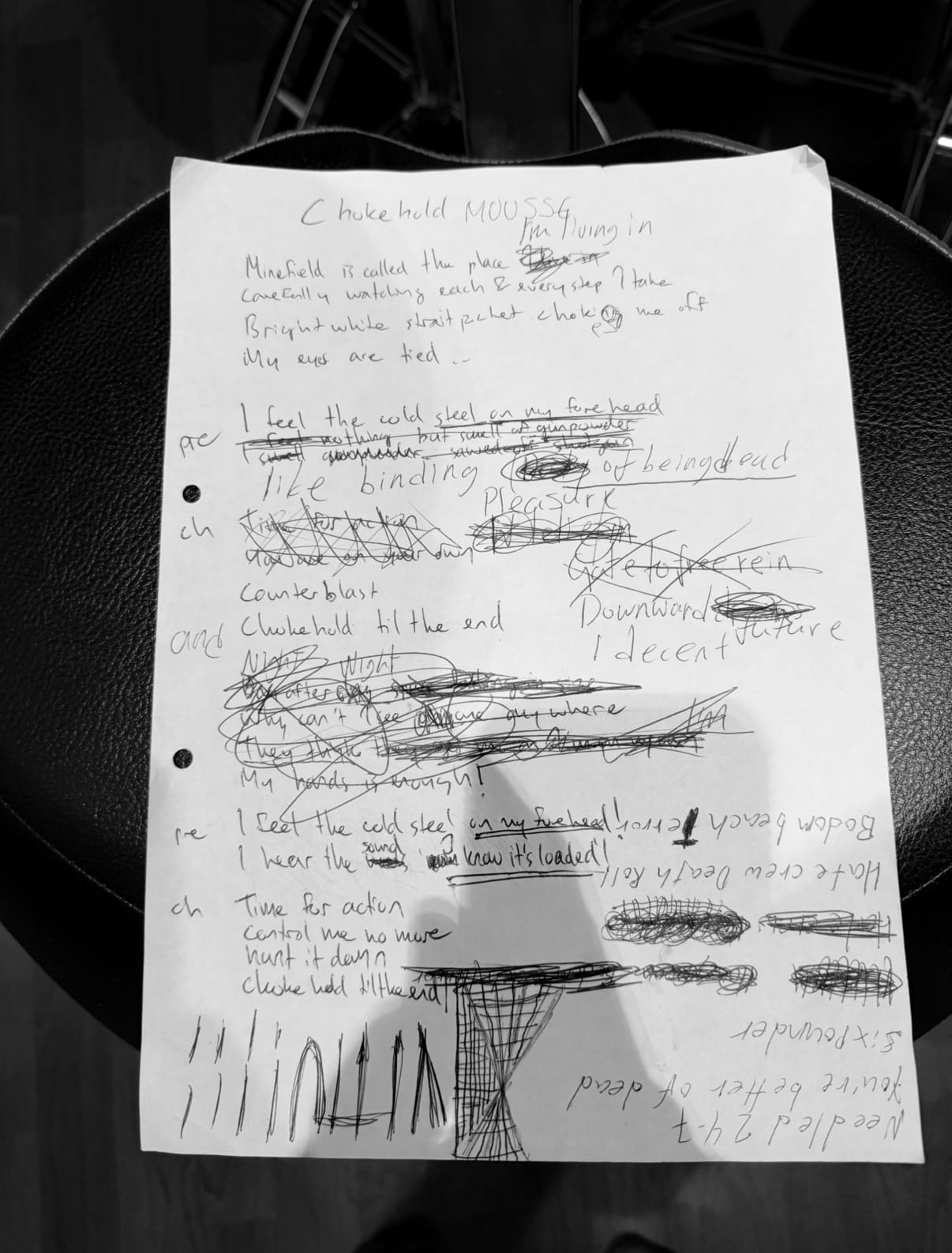
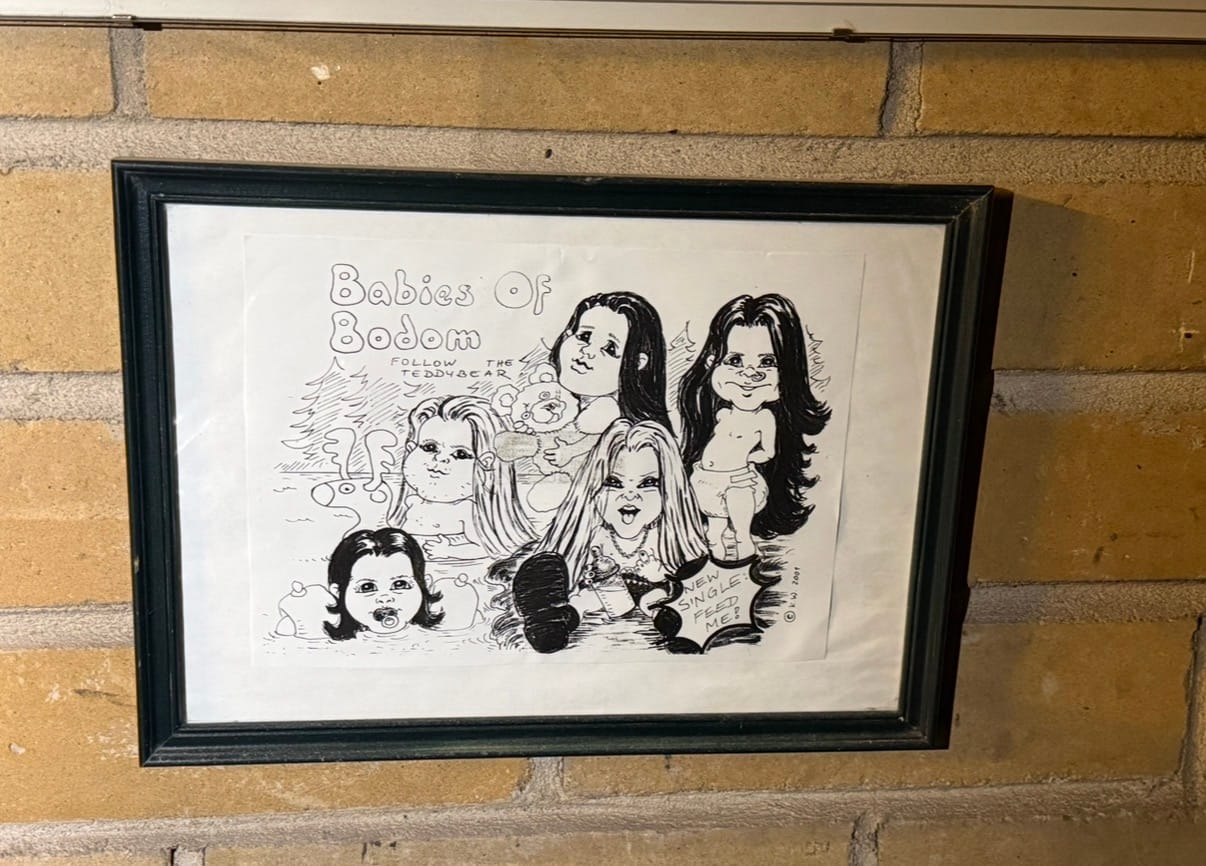
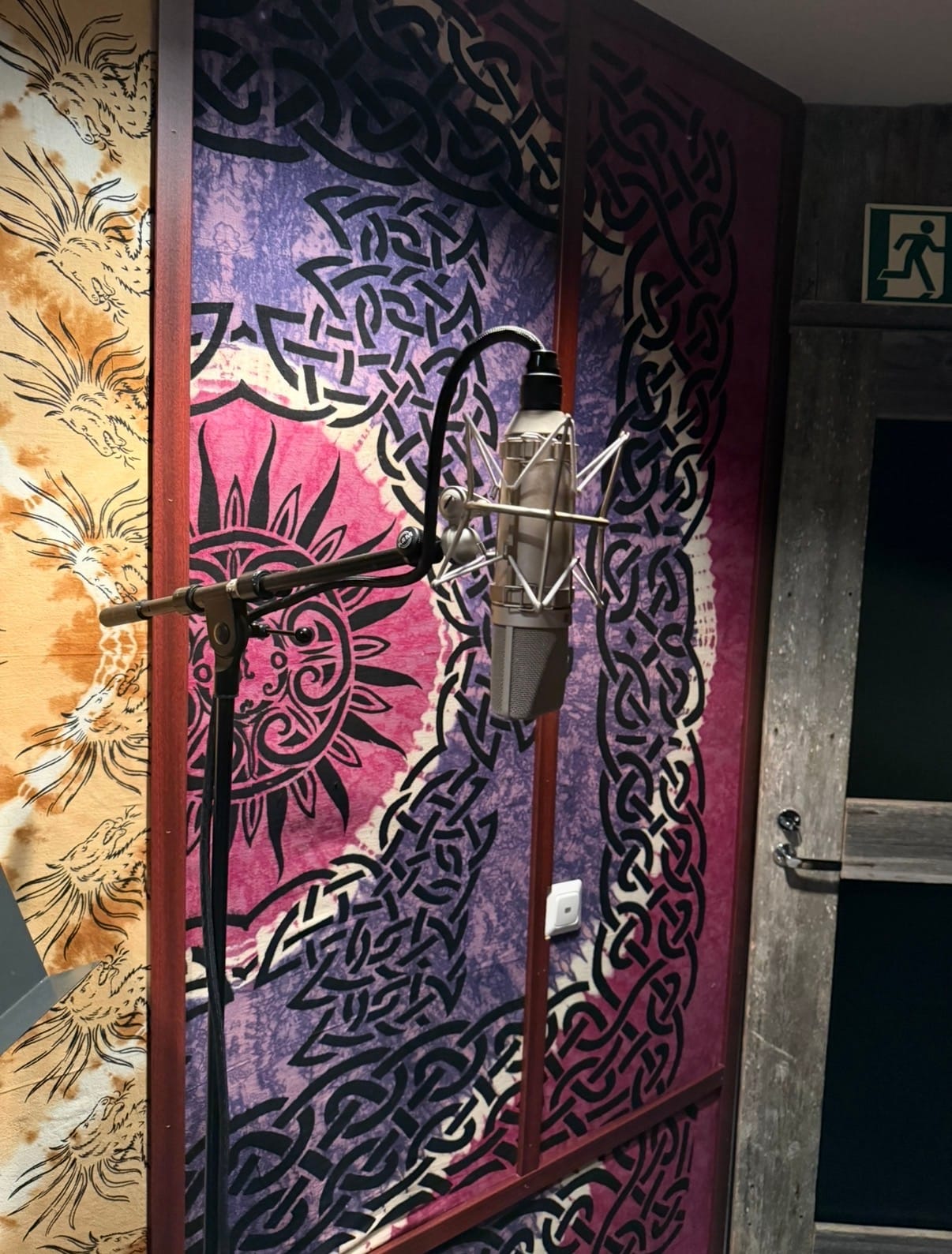
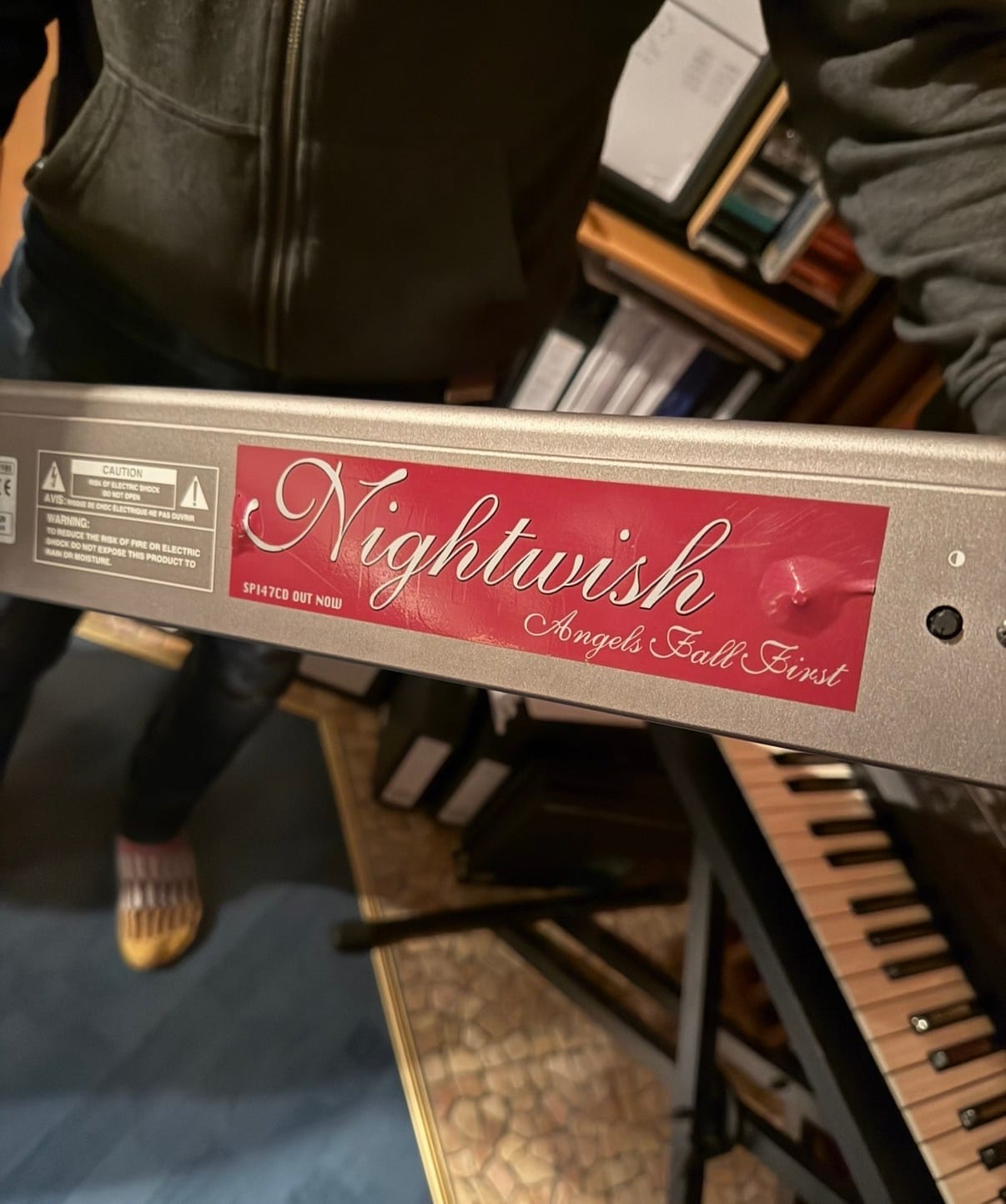
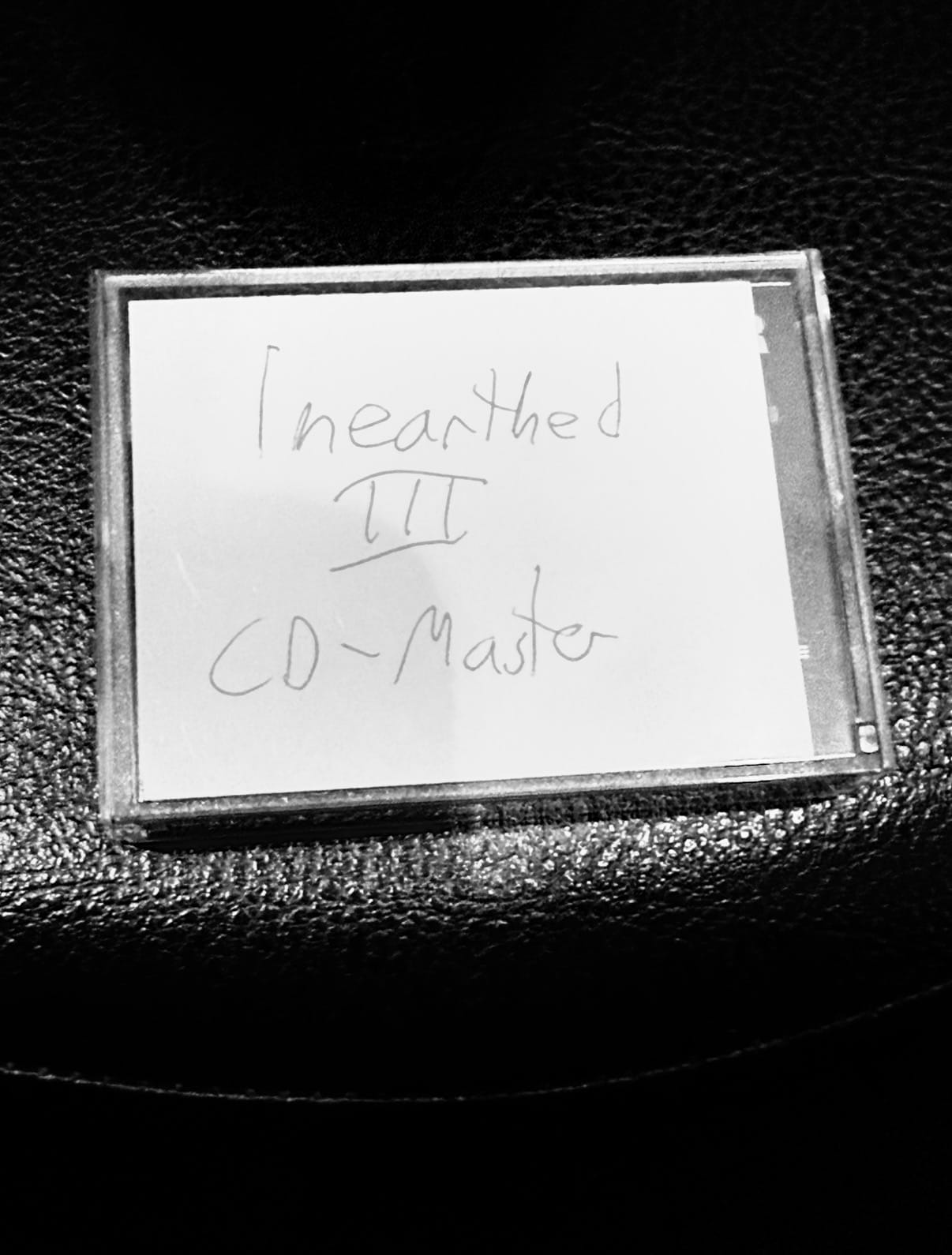
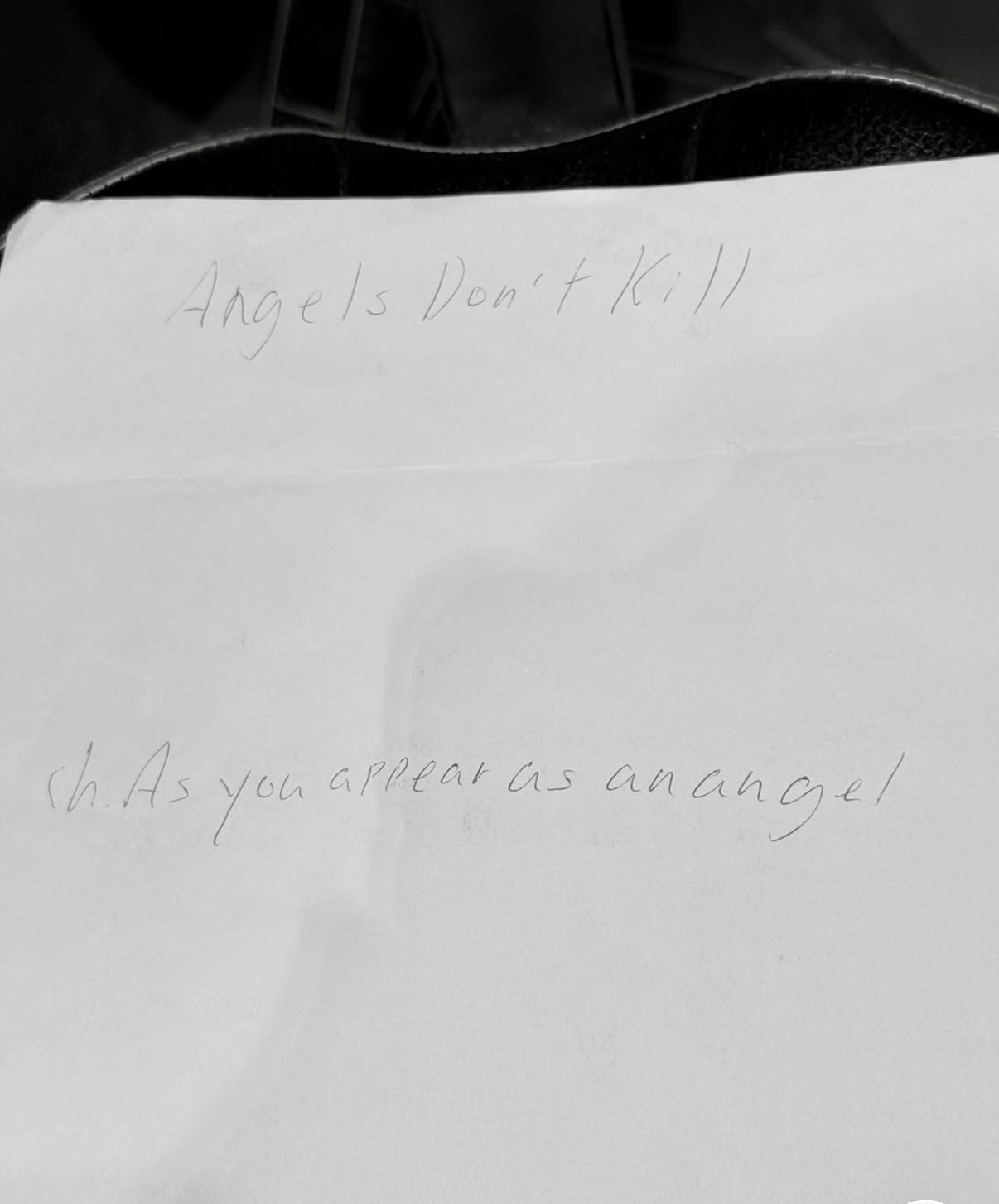
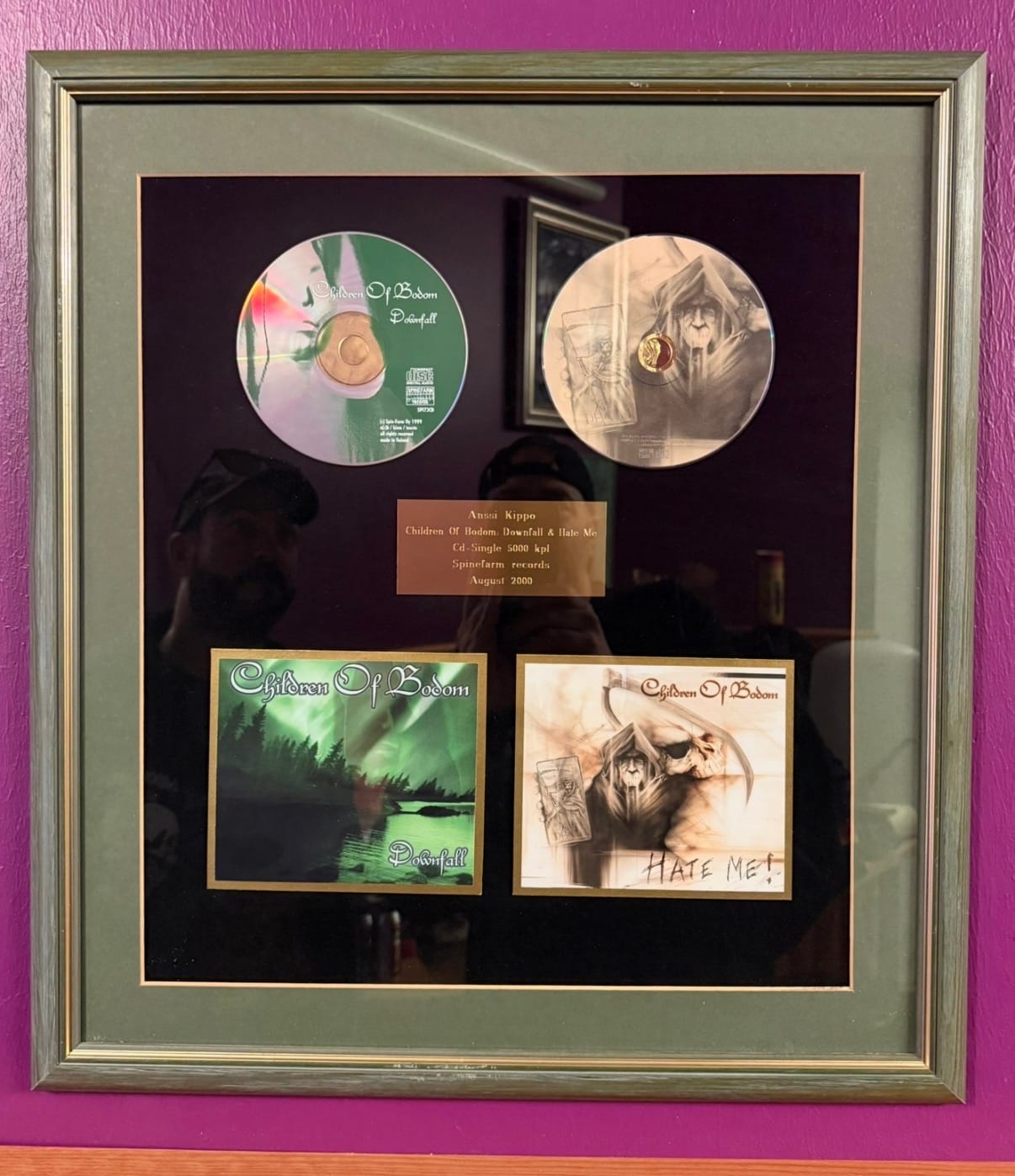
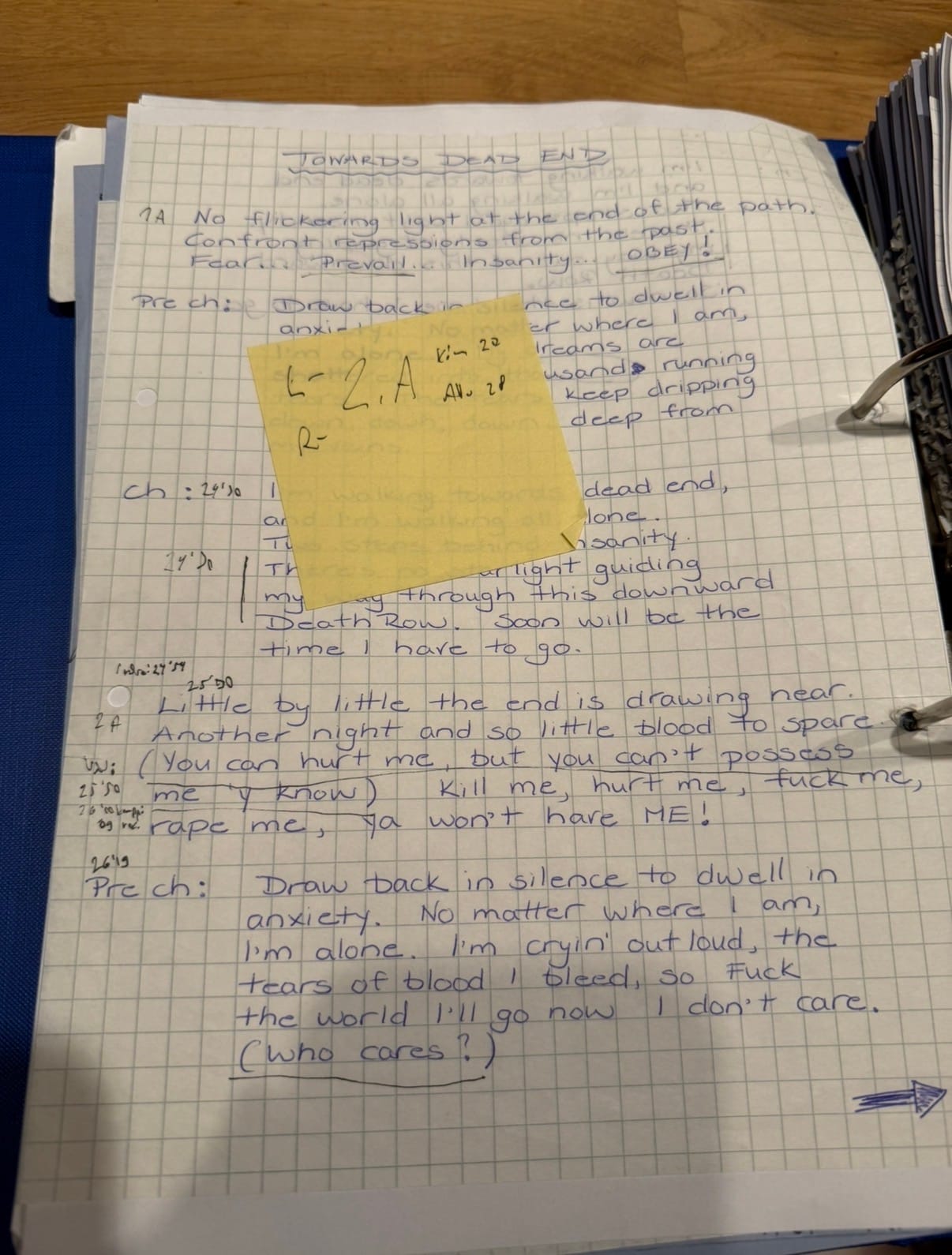
Below is a photo gallery from my time at Astia featuring numerous artifacts I was able to see, including the third IneartheD demo master tape, more handwritten lyrics from Alexi Laiho, some off-the-wall fan art, gold records and singles, and a number of other rarities.
Comments ()